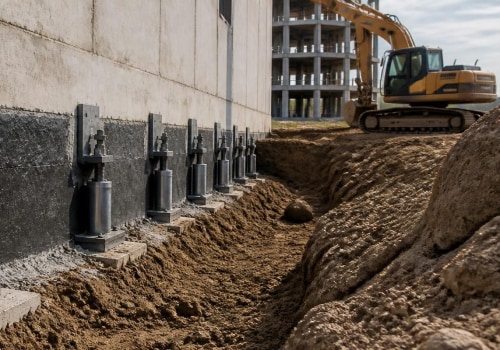
Commercial building construction refers to the process of creating structures intended for business purposes, ranging from office buildings and retail spaces to warehouses and industrial facilities. Unlike residential construction, which focuses on homes and living spaces, commercial construction encompasses a broader array of projects that serve various industries. This distinction is crucial as it influences not only the design and materials used but also the regulatory requirements and financing options available. The significance of commercial building construction in the economy cannot be overstated. These structures are vital for facilitating commerce, providing jobs, and supporting community growth.
As businesses expand and evolve, the demand for innovative and functional commercial spaces increases, driving advancements in construction techniques and sustainability practices. Understanding the nuances of this sector is essential for stakeholders, including investors, developers, and contractors. There are several types of commercial buildings, each serving unique purposes. For instance, office buildings cater to corporate needs, while retail spaces focus on consumer goods and services. Additionally, industrial facilities are designed for manufacturing and distribution processes.
Each type presents its own set of challenges and opportunities in terms of design, construction methods, and compliance with local regulations. By grasping these differences, one can better appreciate the complexities involved in commercial building construction.
Key Factors Influencing Construction Costs
When comparing commercial building construction to residential construction, several key factors significantly influence the overall costs. Understanding these factors can help stakeholders make informed decisions and budget effectively.- Materials: The choice of materials plays a crucial role in determining construction costs. Commercial buildings often require higher-grade materials that meet specific safety and durability standards, which can increase expenses.
In contrast, residential projects may utilize more cost-effective materials.
- Labor: Labor costs can vary widely between commercial and residential construction. Commercial projects typically involve specialized labor for complex systems such as HVAC, plumbing, and electrical work, which can drive up labor costs. Residential construction may rely more on general contractors and less specialized labor.
- Location: The geographical location of a project significantly impacts construction costs. Urban areas often face higher land prices and labor rates compared to rural locations.
Additionally, local regulations and zoning laws can affect the cost of obtaining permits and adhering to building codes.
- Design Complexity: The architectural design of a building also influences costs. Commercial buildings often feature intricate designs and larger footprints, requiring more extensive planning and engineering. Residential buildings tend to have simpler designs, which can lead to lower overall costs.
- Project Size: Generally, larger projects benefit from economies of scale, potentially reducing the per-square-foot cost. However, commercial buildings are usually larger than residential ones, which can lead to higher total costs despite lower per-unit expenses.
Cost Breakdown: Commercial vs.
Residential ConstructionWhen evaluating the cost of commercial building construction compared to residential construction, it is essential to consider various factors that contribute to the overall expenses. These factors include materials, labor, design complexity, and regulatory requirements.
Average Costs
- The average cost per square foot for commercial construction typically ranges from $150 to $400, depending on the type of building and its location.
- In contrast, residential construction costs usually fall between $100 and $200 per square foot.
Cost Breakdown
- Materials: Commercial buildings often require higher-grade materials and specialized systems (like HVAC and electrical), which can significantly increase costs.
- Labor: The labor costs for commercial projects are generally higher due to the need for skilled tradespeople and longer project timelines.
- Design Complexity: Commercial buildings often involve more complex designs and engineering requirements, leading to increased architectural fees.
- Regulatory Requirements: Commercial projects must adhere to stricter zoning laws and building codes, which can add to the overall cost.
Examples of Cost Variations
- A small retail space may cost around $200 per square foot, while a large office building could exceed $300 per square foot.
- On the residential side, a single-family home might average $150 per square foot, while luxury homes can reach upwards of $300 per square foot.
Financing Options for Commercial and Residential Projects
When it comes to financing commercial construction versus residential projects, the options available can significantly influence the overall costs and feasibility of a project. Understanding these financing avenues is crucial for builders and investors alike.Commercial construction financing
typically involves larger sums of money and more complex arrangements than residential loans.One common option is a commercial mortgage, which is similar to a residential mortgage but tailored for business properties. These loans often require a larger down payment, usually around 20-30%, and have shorter terms, typically ranging from 5 to 20 years.Another popular financing method for commercial projects is construction loans. These are short-term loans that cover the costs of building until the project is completed. Once the construction is finished, the loan can be converted into a permanent mortgage.
This type of financing can be advantageous as it allows builders to access funds quickly, but it often comes with higher interest rates.In contrast, residential construction loans are generally more straightforward. Homebuilders can opt for conventional loans, which are backed by government-sponsored entities like Fannie Mae or Freddie Mac, or they may choose FHA loans, which are designed for lower-income borrowers. These loans usually require a smaller down payment, often as low as 3%, making them more accessible for individual homeowners.Additionally, builders in both sectors can explore alternative funding options, such as private investors or crowdfunding platforms. These methods can provide necessary capital without the stringent requirements of traditional banks.Ultimately, the choice of financing can greatly affect the cost structure of both commercial and residential construction projects.
Builders must carefully evaluate their options to ensure they select the most suitable financing method that aligns with their project goals and financial capabilities.
Regulatory Considerations in Construction Costs
When comparing commercial building construction to residential construction, one of the most significant factors influencing costs is the array of regulatory considerations that must be navigated. These regulations can vary widely depending on the location and type of project, impacting both timelines and budgets.Construction regulations
often dictate the materials used, safety standards, and environmental considerations that must be adhered to. For commercial projects, these regulations tend to be more stringent due to the larger scale and potential public impact. This can lead to increased costs for compliance, as developers may need to invest in specialized materials or technologies to meet these requirements.Zoning Laws
Zoning laws play a crucial role in determining what can be built where.In many urban areas, zoning regulations can restrict the type of commercial activities allowed in certain districts, which can affect the feasibility and cost of a project. For instance, if a developer wishes to convert a residential property into a commercial space, they may face significant hurdles in obtaining the necessary approvals. This process can involve lengthy public hearings and additional fees, further driving up costs.
Permits and Fees
The process of obtaining permits for construction can also differ significantly between commercial and residential projects. Commercial construction typically requires more extensive documentation and multiple permits due to its complexity.These may include:
- Building permits
- Environmental impact assessments
- Health and safety inspections
- Fire department approvals
Long-term Costs: Maintenance and Operational Expenses
When evaluating the long-term costs associated with commercial building construction versus residential construction, it is essential to consider both maintenance and operational expenses. These costs can significantly impact the overall investment and profitability of a property.Maintenance Costs
Maintenance costs for commercial buildings tend to be higher than those for residential properties.This is primarily due to the larger scale and complexity of commercial structures. Key factors influencing maintenance costs include:
- Building Size: Larger buildings require more extensive upkeep, including HVAC systems, plumbing, and electrical systems.
- Usage: Commercial buildings often experience higher foot traffic, leading to increased wear and tear.
- Regulatory Compliance: Commercial properties must adhere to stricter regulations, which can necessitate more frequent inspections and updates.
Operational Expenses
Operational expenses also differ significantly between commercial and residential buildings. For commercial properties, these expenses can include:- Utilities: Commercial buildings typically have higher utility costs due to larger spaces and more extensive usage of energy.
- Property Management: Many commercial properties require professional management services, adding to ongoing costs.
- Insurance: Insurance premiums for commercial buildings are generally higher due to the increased risk associated with business operations.
By carefully analyzing maintenance and operational expenses, stakeholders can make informed decisions that align with their financial goals.
FAQs About Commercial Building Construction Costs
When considering commercial building construction, many potential investors and developers have questions regarding the associated costs. Here are some frequently asked questions that can help clarify these expenses:- What factors influence the cost of commercial building construction?
The cost of commercial building construction is influenced by several factors, including location, materials used, labor costs, and the complexity of the design. Additionally, zoning laws and regulations can impact overall expenses. - How do commercial construction costs compare to residential construction?
Generally, commercial construction tends to be more expensive than residential projects due to higher material standards, larger scale operations, and more complex building codes. For instance, commercial buildings often require specialized systems for plumbing, electrical work, and HVAC. - Are there hidden costs in commercial building construction?
Yes, there can be hidden costs such as permits, inspections, and unexpected site conditions.It’s crucial to budget for these potential expenses to avoid financial surprises during the project.
- What is the average cost per square foot for commercial buildings?
The average cost per square foot for commercial building construction can vary widely based on the type of building. For example, office buildings may range from $150 to $400 per square foot, while retail spaces might fall between $200 and $300 per square foot. - How can I reduce costs in commercial construction?
To minimize costs, consider value engineering options that maintain quality while reducing expenses. Additionally, working with experienced contractors who understand the local market can lead to more efficient budgeting and resource allocation.
Conclusion: Key Takeaways on Construction Cost Comparison
In conclusion, understanding the differences in costs between commercial building construction and residential construction is crucial for stakeholders in the real estate and construction industries. Here are the key takeaways:- Cost Variability: The costs associated with commercial building construction tend to be higher than those for residential projects.
This is primarily due to factors such as larger scale, more complex designs, and stricter regulatory requirements.
- Materials and Labor: Commercial projects often require specialized materials and skilled labor, which can drive up expenses. In contrast, residential construction may utilize more standard materials that are readily available.
- Timeframe: The timeline for commercial building construction is generally longer due to the extensive planning and permitting processes involved. This extended timeframe can also contribute to increased costs.
- Financing and Investment: Investors typically expect higher returns on commercial properties, which can influence the overall budget and financial planning for these projects.
- Market Demand: The demand for commercial spaces can fluctuate significantly based on economic conditions, impacting construction costs and timelines.