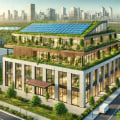
In the realm of commercial building construction, understanding the unique requirements of various industries is crucial for creating functional and efficient spaces. Each sector, from healthcare to retail, demands specific features that not only enhance operational efficiency but also improve the overall experience for users. As businesses evolve, so too do the designs and functionalities of their physical environments, making it essential to explore how these tailored features contribute to the success of different industries. For instance, in the healthcare sector, commercial buildings are designed with patient care in mind. This includes features such as advanced HVAC systems for optimal air quality, specialized rooms for diagnostics and treatment, and accessibility considerations that ensure compliance with regulations.
On the other hand, retail spaces focus on customer engagement and product display, incorporating wide aisles, strategic lighting, and flexible layouts that can adapt to changing inventory needs. As we delve deeper into the world of commercial buildings, it becomes evident that these structures are not merely places of business; they are carefully crafted environments that reflect the specific demands of their respective industries. By examining the common features found in these buildings, we can gain insights into how thoughtful design can lead to improved functionality and enhanced user experiences across various sectors.
Healthcare Facilities: Design and Functionality
Healthcare facilities, including hospitals and clinics, are designed with a focus on patient care, safety, and regulatory compliance. The unique requirements of these environments necessitate specific features that enhance functionality and improve the overall experience for both patients and healthcare providers.- Patient-Centric Design: The layout of healthcare commercial buildings often prioritizes patient flow and accessibility. This includes wide corridors, clear signage, and strategically placed waiting areas to minimize stress and confusion.
- Infection Control: Materials used in healthcare construction are selected for their ability to withstand rigorous cleaning protocols.
Non-porous surfaces, antimicrobial finishes, and easy-to-clean flooring are common features that help maintain a sterile environment.
- Natural Light and Ventilation: Incorporating large windows and open spaces allows for natural light to flood the interiors, which has been shown to improve patient recovery times. Additionally, proper ventilation systems are crucial for maintaining air quality and comfort.
- Technology Integration: Modern healthcare facilities are equipped with advanced technology, including telemedicine capabilities, electronic health records (EHR) systems, and state-of-the-art diagnostic equipment. These technologies require careful planning in the design phase to ensure seamless integration.
- Safety Features: Compliance with safety regulations is paramount in healthcare construction. This includes fire safety measures, secure access points, and emergency response systems that are designed to protect both patients and staff.
- Sustainable Practices: Many new healthcare buildings incorporate sustainable design principles, such as energy-efficient systems, water conservation measures, and the use of renewable materials.
This not only reduces operational costs but also promotes a healthier environment for patients.
Retail Spaces: Creating an Engaging Customer Experience
In the realm of retail commercial buildings, the design and layout play a pivotal role in shaping the customer experience. A well-thought-out retail space not only attracts customers but also encourages them to linger, explore, and ultimately make purchases.Layout and Flow
The layout of a retail space is crucial for guiding customers through the store. Open floor plans with clear pathways allow for easy navigation, while strategically placed displays can draw attention to featured products.Zoning different areas for specific product categories can enhance the shopping experience by making it easier for customers to find what they need.
Accessibility
Accessibility is another key feature in retail space design. Ensuring that entrances, aisles, and checkout areas are easily navigable for all customers, including those with disabilities, is not just a legal requirement but also a way to foster inclusivity. Incorporating features such as ramps, wide aisles, and accessible restrooms can significantly improve the overall customer experience.Aesthetic Appeal
The aesthetic appeal of a retail space can greatly influence customer perceptions and emotions. Elements such as lighting, color schemes, and materials contribute to the ambiance of the store.For instance, warm lighting can create a welcoming atmosphere, while vibrant colors can energize the space and attract attention. Additionally, incorporating natural elements, like plants or water features, can enhance the shopping environment and promote a sense of well-being.
Technology Integration
Modern retail spaces are increasingly integrating technology to enhance customer engagement. Features such as interactive displays, digital signage, and mobile payment options streamline the shopping process and provide customers with valuable information at their fingertips. This tech-savvy approach not only improves efficiency but also caters to the preferences of today’s consumers.In conclusion, the architectural features of retail spaces are essential in creating an engaging customer experience.By focusing on layout, accessibility, aesthetic appeal, and technology integration, commercial building construction in the retail sector can significantly impact customer satisfaction and drive sales.
Office Buildings: Flexibility and Collaboration
Modern office building design has evolved significantly to meet the changing needs of businesses and their employees. One of the most prominent features is the emphasis on flexibility. This is often achieved through the use of open floor plans, which allow for easy reconfiguration of workspaces. Such designs enable companies to adapt quickly to changing team sizes and project requirements, fostering a dynamic work environment.Another critical aspect of contemporary office buildings is the integration of collaborative workspaces.These areas are designed to encourage teamwork and communication among employees. Features such as:
- Breakout rooms equipped with whiteboards and technology for brainstorming sessions.
- Shared lounges that provide informal settings for discussions and relaxation.
- Conference rooms with advanced audio-visual systems to facilitate remote collaboration.
These features not only enhance the aesthetic appeal of office spaces but also promote a healthier work atmosphere.Ultimately, the focus on flexibility and collaboration in commercial building construction reflects a broader trend towards creating environments that support innovation and employee satisfaction. As businesses continue to evolve, so too will the designs of office buildings, ensuring they remain functional and inspiring places to work.
Industrial Buildings: Efficiency and Safety Standards
In the realm of commercial building construction, industrial buildings are designed with a focus on operational efficiency and stringent safety standards. These structures serve as the backbone for manufacturing and warehousing operations, necessitating specific features that enhance productivity while ensuring the safety of workers.- Open Floor Plans: Industrial facilities often utilize open floor plans to maximize space utilization. This design allows for flexible layouts that can adapt to changing operational needs, facilitating the movement of goods and equipment.
- High Ceilings: Buildings typically feature high ceilings to accommodate large machinery and equipment.
This vertical space is crucial for operations involving heavy lifting and storage, allowing for efficient stacking of materials.
- Robust Structural Integrity: The construction materials used in industrial buildings must meet rigorous standards to withstand heavy loads and environmental stresses. Steel frames and reinforced concrete are common choices that provide durability and longevity.
- Safety Features: Safety is paramount in industrial settings. Features such as fire suppression systems, emergency exits, and proper ventilation are essential. Additionally, compliance with OSHA regulations ensures that the workplace is safe for all employees.
- Energy Efficiency: Modern industrial buildings often incorporate energy-efficient systems, such as LED lighting and advanced HVAC systems, to reduce operational costs.
Sustainable design practices not only lower energy consumption but also contribute to a healthier work environment.
Hospitality Venues: Comfort and Functionality
In the realm of commercial building construction, hospitality venues such as hotels and restaurants are designed with a keen focus on both guest experience and operational efficiency. The architecture and interior design of these spaces play a crucial role in creating an inviting atmosphere while ensuring that the facilities function smoothly.Key Design Features in Hospitality Venues:
- Welcoming Entrances: The entrance of a hotel or restaurant sets the tone for the guest experience.
Large, well-lit lobbies with comfortable seating areas encourage guests to relax and feel at home.
- Flexible Room Configurations: Hotels often feature a variety of room types, from standard rooms to luxury suites, allowing guests to choose accommodations that best fit their needs. This flexibility is essential for catering to different market segments.
- Efficient Layouts: The layout of hospitality venues is designed to facilitate smooth operations. For instance, restaurants often have open kitchens that allow for better communication between staff and enhance the dining experience for guests.
- Technology Integration: Modern hotels incorporate technology such as mobile check-in, smart room controls, and high-speed internet access to enhance guest convenience and satisfaction.
- Sustainable Practices: Many hospitality venues are now focusing on sustainability by using eco-friendly materials and energy-efficient systems, which not only appeal to environmentally conscious guests but also reduce operational costs.
By prioritizing these elements, hospitality venues can create memorable experiences that encourage repeat visits and positive word-of-mouth referrals.
Educational Institutions: Learning Environments and Safety
When it comes to educational commercial buildings, the design must prioritize both effective learning environments and stringent safety standards. These facilities are not just places for academic instruction; they are dynamic spaces that foster creativity, collaboration, and personal growth.School design features
play a crucial role in enhancing the educational experience. Classrooms are often designed with natural light in mind, utilizing large windows and skylights to create a bright and inviting atmosphere. Flexible classroom layouts allow for various teaching methods, accommodating group work and individual study.Additionally, technology integration is essential; modern classrooms are equipped with smart boards, projectors, and high-speed internet to facilitate interactive learning. Another important aspect of educational building design is the incorporation of communal spaces. Libraries, study lounges, and outdoor areas encourage social interaction among students, promoting a sense of community. These spaces are often designed with comfortable seating and collaborative workstations to support group projects and discussions. Safety in educational facilities is paramount. Buildings must comply with local building codes and safety regulations, which include:
- Fire Safety: Installation of fire alarms, sprinkler systems, and clearly marked exits.
- Accessibility: Compliance with the Americans with Disabilities Act (ADA) to ensure all students can navigate the space safely.
- Security Measures: Controlled access points, surveillance cameras, and emergency response plans to protect students and staff.
By focusing on these key features, commercial building construction for educational institutions can create safe, engaging environments that support learning and development.
Sustainability in Commercial Building Construction
As the demand for sustainable commercial buildings continues to rise, the construction industry is increasingly adopting eco-friendly construction practices that not only benefit the environment but also enhance the operational efficiency of commercial spaces. This shift is particularly evident in sectors such as healthcare and retail, where the need for energy-efficient designs is paramount.One of the key features of green building initiatives is the use of renewable materials. Many commercial buildings now incorporate recycled steel, reclaimed wood, and low-VOC (volatile organic compounds) paints to minimize their environmental impact. These materials not only reduce waste but also contribute to healthier indoor air quality.Energy-Efficient Designs
Energy efficiency is another cornerstone of sustainable commercial building construction.Features such as:
- High-performance insulation to reduce heating and cooling costs.
- Energy-efficient windows that minimize heat loss and gain.
- Smart lighting systems that adjust based on occupancy and natural light levels.
- Solar panels that harness renewable energy to power the building.
Water Conservation Techniques
In addition to energy efficiency, sustainable commercial buildings often implement water conservation techniques. This includes:- Low-flow fixtures in restrooms and kitchens to minimize water usage.
- Rainwater harvesting systems that collect and reuse rainwater for irrigation or non-potable uses.
- Xeriscaping, which involves landscaping with drought-resistant plants to reduce irrigation needs.
Conclusion: The Future of Commercial Building Design Across Industries
As we conclude our exploration of commercial building construction tailored to various industries, it is evident that the future of design is evolving rapidly. The integration of technology, sustainability, and user-centric design principles are becoming paramount in shaping the commercial spaces of tomorrow.In the healthcare sector, for instance, we see a growing emphasis on patient-centered design. This includes features such as natural lighting, flexible spaces for treatment, and advanced HVAC systems that enhance air quality.These elements not only improve patient outcomes but also create a more welcoming environment for families and staff.Similarly, in the retail industry, the focus is shifting towards creating immersive shopping experiences.
Commercial buildings
are increasingly incorporating interactive displays, open layouts, and community spaces that encourage social interaction. This trend reflects a broader shift towards experiential retail, where the physical space plays a crucial role in customer engagement.Moreover, sustainability remains a critical consideration across all sectors. The adoption of green building practices—such as energy-efficient systems, sustainable materials, and water conservation techniques—will continue to influence commercial building construction.As businesses strive to meet environmental standards and consumer expectations, these features will become standard rather than optional.Looking ahead, we can anticipate that commercial buildings will increasingly leverage smart technologies. From automated lighting and climate control to advanced security systems, these innovations will enhance operational efficiency and user experience.In summary, the future of commercial building construction is poised to be defined by adaptability and innovation. As industries evolve, so too will the designs of their commercial spaces, ensuring they meet the unique needs of their users while promoting sustainability and technological advancement.