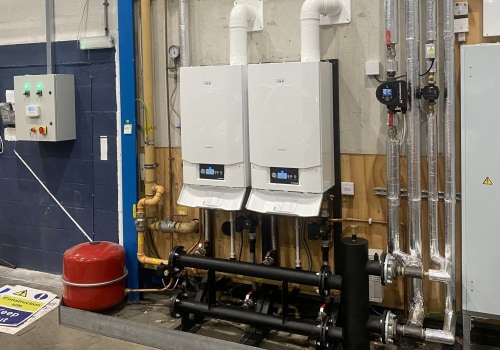
The landscape of commercial building construction is evolving rapidly, influenced by a myriad of factors including technological advancements, sustainability concerns, and changing consumer preferences. As businesses strive to create environments that foster productivity and innovation, understanding the latest trends in commercial construction becomes essential for architects, developers, and investors alike. This section will delve into the current trends shaping the industry, providing insights into how these developments are redefining the way we think about commercial spaces.One of the most significant shifts in commercial architecture trends is the increasing emphasis on sustainability. With growing awareness of environmental issues, many companies are prioritizing green building practices that not only reduce their carbon footprint but also enhance energy efficiency.
This trend is not just a passing phase; it reflects a broader commitment to corporate social responsibility and long-term viability. From the use of renewable materials to innovative energy systems, sustainable design is becoming a cornerstone of modern commercial construction.Additionally, the integration of technology into building design is transforming how spaces are utilized. Smart buildings equipped with advanced automation systems are becoming more prevalent, allowing for improved operational efficiency and enhanced user experience. These technologies enable real-time monitoring and management of resources, which can lead to significant cost savings over time.
As we explore these trends further, it will become clear how they are not only reshaping individual projects but also influencing the future direction of the entire commercial construction industry.
Sustainability in Commercial Building Design
In recent years, the emphasis on sustainability in commercial building construction has surged, driven by both regulatory requirements and a growing awareness of environmental issues. This shift is not just a trend; it represents a fundamental change in how buildings are designed and constructed.Green building practices
are at the forefront of this movement, focusing on reducing the environmental impact of buildings throughout their lifecycle. These practices include:- Energy efficiency: Incorporating energy-efficient systems such as LED lighting, high-performance HVAC systems, and smart building technologies that optimize energy use.
- Water conservation: Utilizing low-flow fixtures and rainwater harvesting systems to minimize water usage.
- Waste reduction: Implementing construction waste management plans that prioritize recycling and reusing materials.
Examples include:
- Recycled materials: Using products made from recycled content, such as reclaimed wood or recycled metal, helps divert waste from landfills.
- Sustainable sourcing: Selecting materials that are sourced responsibly, such as bamboo or certified wood products, ensures that they are harvested in an environmentally friendly manner.
- Low-VOC paints and finishes: Choosing paints and finishes with low volatile organic compounds (VOCs) improves indoor air quality and reduces harmful emissions.
Technological Innovations in Construction
In recent years, technological innovations have significantly transformed the landscape of commercial building construction. These advancements not only enhance efficiency but also improve sustainability and functionality in building design.Building Information Modeling (BIM)
Building Information Modeling (BIM) has emerged as a game-changer in the construction industry.This digital representation of physical and functional characteristics allows architects, engineers, and contractors to collaborate more effectively throughout the project lifecycle. Key benefits of BIM include:
- Enhanced Collaboration: Stakeholders can access a centralized model, reducing miscommunication and errors.
- Improved Visualization: 3D modeling helps clients visualize the final product, leading to better decision-making.
- Cost and Time Efficiency: Early detection of potential issues minimizes costly changes during construction.
Smart Building Technologies
The rise of smart buildings is another notable trend in commercial construction. These structures utilize advanced technologies to optimize energy use, enhance security, and improve occupant comfort. Some features of smart buildings include:- Automated Systems: Lighting, heating, and cooling systems can be controlled remotely or adjusted automatically based on occupancy.
- Sensors and IoT Integration: Internet of Things (IoT) devices collect data to monitor building performance and predict maintenance needs.
- Sustainability Features: Smart buildings often incorporate renewable energy sources and energy-efficient materials, contributing to lower carbon footprints.
Robotics and prefabrication techniques are increasingly being adopted to reduce labor costs and improve precision. As these technologies continue to evolve, they promise to reshape the future of commercial building construction, making it more efficient, sustainable, and responsive to the needs of modern society.
Modular and Prefabricated Construction Methods
In recent years, modular and prefabricated construction methods have gained significant traction in the realm of commercial building construction. These innovative approaches offer a range of benefits that address the challenges faced by traditional construction methods.Benefits of Modular Construction
- Cost Efficiency: Modular construction can significantly reduce costs due to lower labor expenses and minimized material waste. By manufacturing components in a controlled environment, builders can optimize resource use and reduce overall project expenses.
- Time Savings: One of the most compelling advantages is the speed of construction.
While site preparation occurs, modular units can be built simultaneously in a factory setting. This parallel process can cut project timelines by up to 50%.
- Sustainability: Prefabrication often leads to more sustainable building practices. With less waste generated on-site and the ability to use eco-friendly materials, these methods align with modern sustainability goals.
Off-Site Construction Techniques
Off-site construction techniques are integral to the success of modular and prefabricated methods. By assembling components in a factory, builders can ensure higher quality control and reduce the impact of weather-related delays.
This approach not only enhances efficiency but also allows for better planning and logistics management.Moreover, as urban areas continue to grow, the demand for quick and efficient building solutions increases. Modular and prefabricated construction methods provide a viable answer to this need, allowing developers to meet tight deadlines while maintaining high standards of quality and design.In conclusion, the rise of modular and prefabricated construction methods represents a significant shift in commercial building construction. Their numerous advantages make them an attractive option for developers looking to innovate while addressing cost, time, and sustainability challenges.
Adaptive Reuse of Existing Structures
In recent years, the trend of adaptive reuse has gained significant traction in the realm of commercial building construction. This approach involves repurposing existing structures for new uses, rather than demolishing them and starting from scratch.By breathing new life into old buildings, developers can preserve historical elements while meeting modern needs.One notable example of a successful adaptive reuse project is the transformation of the High Line in New York City. Originally an elevated railway, this structure has been converted into a vibrant public park that attracts millions of visitors each year. This project not only revitalized a neglected area but also spurred economic growth in the surrounding neighborhoods.The benefits of adaptive reuse are manifold:
- Sustainability: By reusing existing materials and structures, adaptive reuse significantly reduces waste and the carbon footprint associated with new construction.
- Cultural Preservation: Many adaptive reuse projects maintain the historical and architectural integrity of older buildings, preserving cultural heritage for future generations.
- Cost-Effectiveness: Often, repurposing an existing building can be more economical than new construction, as it may require fewer resources and less time to complete.
- Community Revitalization: These projects can breathe new life into underutilized areas, fostering community engagement and attracting businesses.
This shift not only benefits the environment but also enhances the overall aesthetic and cultural landscape of our cities.
Health and Wellness Considerations in Design
In recent years, the focus on health and wellness in commercial building construction has gained significant traction. This shift is driven by a growing awareness of how the built environment impacts the physical and mental well-being of its occupants. As a result, architects and developers are increasingly incorporating health-focused building design principles into their projects.One of the most prominent trends in this area is the adoption of biophilic design principles. This approach emphasizes the connection between nature and the built environment, aiming to create spaces that promote health and well-being.Key elements of biophilic design include:
- Natural Light: Maximizing daylight through large windows and skylights helps regulate circadian rhythms and enhances mood.
- Green Spaces: Incorporating indoor plants, green walls, and outdoor gardens fosters a sense of tranquility and reduces stress.
- Natural Materials: Using materials like wood, stone, and other organic elements can create a more inviting atmosphere.
- Views of Nature: Designing spaces with views of natural landscapes can improve focus and productivity.
- Adequate Ventilation: Ensuring proper air quality through effective ventilation systems helps reduce the risk of airborne illnesses.
- Ergonomic Design: Incorporating ergonomic furniture and layouts can prevent injuries and enhance comfort for employees.
- Sustainable Practices: Utilizing eco-friendly materials and energy-efficient systems not only benefits the environment but also contributes to a healthier indoor atmosphere.
The Role of Urbanization in Commercial Construction Trends
As urbanization continues to accelerate, its impact on commercial building construction is becoming increasingly evident. Cities are expanding, and with this growth comes a shift in the way commercial spaces are designed and utilized.One of the most significant trends is the rise of mixed-use developments, which combine residential, commercial, and recreational spaces into a single project. This approach not only maximizes land use but also fosters a sense of community and accessibility.In urban areas, where space is often at a premium, developers are leaning towards vertical construction. High-rise buildings are becoming more common as they allow for greater density without requiring additional land. This trend is particularly visible in metropolitan regions where the demand for office space, retail outlets, and housing is on the rise.
Vertical spaces not only accommodate more businesses but also create vibrant urban environments that attract residents and visitors alike.Another important aspect of urbanization's influence on commercial construction is the emphasis on sustainability. As cities grow, there is an increasing awareness of the need for environmentally friendly building practices. Developers are incorporating green building materials, energy-efficient systems, and sustainable design principles into their projects. This not only helps reduce the carbon footprint of new constructions but also appeals to environmentally conscious consumers.Furthermore, city planning trends are evolving to support these changes.
Urban planners are focusing on creating walkable neighborhoods with easy access to public transportation, parks, and amenities. This shift encourages developers to create commercial buildings that integrate seamlessly into the urban fabric, enhancing both functionality and aesthetic appeal.In conclusion, urbanization is reshaping the landscape of commercial building construction. The demand for mixed-use developments, vertical spaces, and sustainable practices reflects a broader trend towards creating livable, efficient, and environmentally responsible urban environments.
Future Trends to Watch in Commercial Building Construction
As we look towards the future of commercial building construction, several key trends are emerging that promise to reshape the industry. These trends are driven by advancements in technology, changing societal needs, and a growing emphasis on sustainability.1.Sustainable Design Practices
One of the most significant shifts in commercial construction is the move towards sustainable design.Architects and builders are increasingly prioritizing eco-friendly materials and energy-efficient systems. This includes:
- Green roofs that provide insulation and reduce stormwater runoff.
- Solar panels integrated into building designs to harness renewable energy.
- Smart building technologies that optimize energy use and enhance occupant comfort.
2.Modular and Prefabricated Construction
The rise of modular and prefabricated construction methods is another trend to watch. These approaches allow for:- Faster construction timelines, as components are built off-site and assembled on location.
- Reduced waste, since materials can be manufactured in controlled environments.
- Cost savings, making projects more financially viable.
3.Emphasis on Health and Well-being
The COVID-19 pandemic has heightened awareness of health in building design. Future commercial buildings will likely incorporate:- Improved ventilation systems to enhance air quality.
- Flexible spaces that can adapt to various uses, promoting social distancing when necessary.
- Biophilic design elements, such as natural light and greenery, to improve mental well-being.
As these trends evolve, they will not only redefine architectural aesthetics but also enhance the functionality and sustainability of commercial spaces.
Conclusion: The Evolving Landscape of Commercial Building Design and Construction
As we conclude our exploration of the current trends in commercial building construction, it is evident that the industry is undergoing significant transformations. The integration of technology, sustainability, and innovative design principles are not just trends; they are becoming essential components of modern commercial architecture.One of the most notable shifts is the emphasis on sustainable building practices. With increasing awareness of environmental issues, developers are prioritizing energy-efficient designs and materials that minimize carbon footprints. This trend not only meets regulatory requirements but also appeals to environmentally conscious consumers and businesses.Additionally, the rise of smart buildings is reshaping how we think about functionality and efficiency in commercial spaces.By incorporating advanced technologies such as IoT devices, automated systems, and data analytics, these buildings enhance user experience while optimizing operational costs.Moreover, the focus on flexible spaces has gained traction as businesses adapt to changing work environments. Open floor plans, modular designs, and multi-purpose areas allow for greater adaptability, catering to diverse needs and fostering collaboration among teams.In summary, staying updated with these evolving trends in commercial building construction is crucial for stakeholders in the industry. Embracing sustainability, technology, and flexibility not only enhances the value of commercial properties but also ensures they remain relevant in a rapidly changing market. As we move forward, it will be essential for architects, builders, and investors to keep these trends at the forefront of their strategies to thrive in this dynamic landscape.