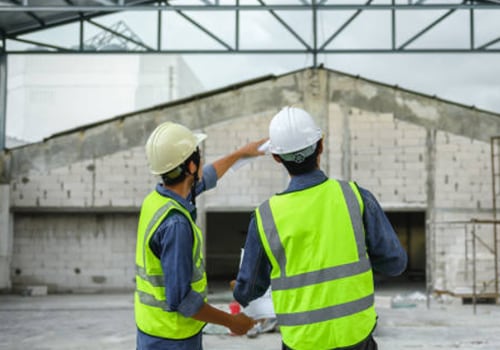
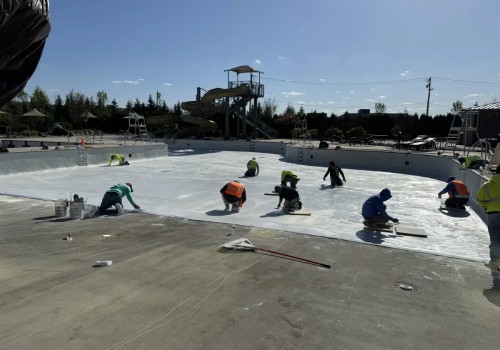
Commercial building projects often involve substantial investments in construction, renovation, equipment, and interior finishes. When foundation problems are already present, moving forward without addressing them can create additional complications later. Uneven settlement may affect walls, floors, doors, windows, utility systems, and structural framing. By identifying and repairing foundation concerns before major construction progresses, property owners can create a more stable base for the rest of the project and reduce the likelihood that new improvements will be affected by ongoing movement.
Identify Problems Before Construction Expands
Foundation issues are often easier to manage when they are discovered early. Signs such as cracks in masonry, uneven floors, sticking doors, separating walls, or gaps around windows may indicate that part of the structure has shifted. A professional evaluation can help determine whether the symptoms are cosmetic or related to underlying movement. Working with specialists such as Bats Foundation Repair Austin TX can help building owners understand whether stabilization should be completed before additions, tenant improvements, or other major commercial upgrades begin.
Protect New Interior Finishes
Commercial renovations frequently include new flooring, drywall, partitions, cabinetry, tile, glass, and other finishes. These materials can be damaged if foundation movement continues after installation. Tile may crack, flooring can become uneven, drywall may develop recurring fractures, and doors may fall out of alignment. Completing necessary structural repairs first can provide a more dependable surface for finishing work. It may also reduce the need to remove newly installed materials later to gain access to areas requiring structural attention.
Support Doors, Windows, and Storefront Systems
Commercial buildings often contain large entrance systems, storefront windows, interior glass partitions, and other components that depend on accurate alignment. Foundation settlement can affect surrounding openings and make doors difficult to operate or create gaps around frames. Addressing foundation movement before replacing these components may help contractors achieve better alignment and reduce the likelihood of repeated adjustments. This is particularly important for high-traffic properties where door performance and accessibility directly affect daily operations.
Coordinate With Plumbing and Utility Work
Foundation conditions can also influence plumbing, electrical, and mechanical systems. Pipes running beneath slabs may experience stress when sections of a structure move, while utility pathways may need adjustment during significant repairs. Commercial construction projects often involve relocating plumbing lines, adding electrical service, or modifying HVAC systems. Coordinating these upgrades with foundation work can help prevent conflicts and reduce the possibility that finished areas will need to be reopened later.
Improve Drainage Around the Property
Water management is an important consideration in many foundation repair plans. Poor grading, damaged drainage systems, leaking pipes, or concentrated roof runoff can change soil moisture around a commercial structure. If these conditions contributed to foundation movement, addressing them can help support the long-term effectiveness of structural repairs. Drainage improvements should be coordinated with landscaping, parking surfaces, sidewalks, and other exterior construction.
Reduce Costly Rework and Delays
Correcting foundation problems after a commercial project is largely complete can be disruptive and expensive. Tenants may need to relocate temporarily, flooring or walls may need to be removed, and recently installed finishes could require repair. Addressing known structural concerns earlier can simplify project sequencing and reduce unnecessary duplication of work.
Build Future Improvements on a Stronger Base
Foundation repair cannot prevent every future building problem, but it can help address an important source of structural movement before additional investments are made. By stabilizing the structure, coordinating utilities, managing drainage, and completing repairs before sensitive finishes are installed, commercial property owners can create better conditions for long-term performance. Thoughtful foundation planning can ultimately support safer construction, more durable improvements, and fewer avoidable repair issues as the building continues to evolve.