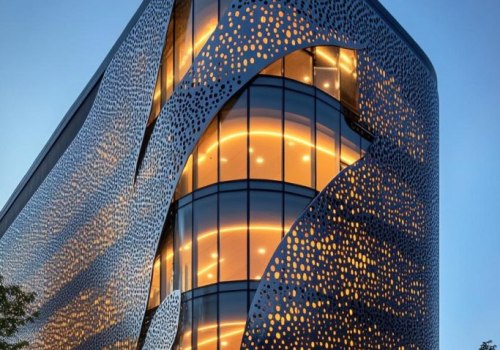
In the realm of commercial building construction, obtaining the necessary permits and approvals is a critical step that can significantly influence the project's timeline and success. These permits serve as legal authorizations that ensure the construction adheres to local regulations, safety standards, and zoning laws. Without the proper permits, a project can face delays, fines, or even a complete halt, making it essential for developers and contractors to understand the various types of permits required. The process of securing these permits varies widely depending on the type of commercial building being constructed. For instance, a simple retail space may require different approvals compared to a large industrial facility or a multi-story office building.
Each type of construction project comes with its own set of regulations and requirements, which can include environmental assessments, structural evaluations, and compliance with fire safety codes. Understanding these distinctions is vital for ensuring that all necessary documentation is submitted accurately and on time. Moreover, the importance of commercial building construction permits extends beyond mere compliance; they also play a crucial role in safeguarding public health and safety. By requiring inspections and adherence to building codes, these permits help prevent potential hazards that could arise from substandard construction practices. Therefore, navigating the permit process effectively not only facilitates smoother project execution but also contributes to the overall integrity and safety of the built environment.
Types of Commercial Buildings and Their Permit Requirements
When it comes to commercial building construction, understanding the different types of buildings and their specific permit requirements is crucial for a successful project.Each category of commercial building has unique characteristics that influence the permitting process.
Retail Buildings
Retail buildings, such as shopping centers and standalone stores, typically require a variety of permits. These may include:- Zoning permits to ensure the property is designated for commercial use.
- Building permits that confirm compliance with local building codes.
- Sign permits for any exterior signage.
Office Buildings
Office buildings often have different requirements compared to retail spaces. Common permits include:- Site plan approvals, which assess the layout and design of the building in relation to its surroundings.
- Occupancy permits, ensuring that the building meets safety standards before it can be occupied.
Industrial Buildings
Industrial buildings, such as warehouses and manufacturing facilities, face stringent regulations due to their potential environmental impact. Key permit requirements include:- Environmental permits, especially if hazardous materials are involved.
- Construction permits, which may require detailed engineering plans.
Understanding these differences is essential for navigating the permitting landscape effectively.
The Permit Application Process: A Step-by-Step Guide
Obtaining the necessary permits for commercial building construction can be a complex process, but understanding the steps involved can streamline your efforts. Here’s a detailed guide to help you navigate the permit application process.- Research Local Regulations: Before starting your application, familiarize yourself with local zoning laws and building codes. Each municipality has specific requirements that can vary significantly.
- Prepare Required Documentation: Gather all necessary documents, which typically include:
- Site plans
- Architectural drawings
- Engineering reports
- Environmental assessments (if applicable)
- Proof of ownership or lease agreements
- Complete the Application Form: Fill out the permit application form accurately. Ensure that all information is complete to avoid delays.
- Submit Your Application: Submit your application along with the required fees to the appropriate local authority.
Keep copies of everything you submit for your records.
- Respond to Feedback: After submission, be prepared to address any comments or requests for additional information from the reviewing authority. This may involve revising your plans or providing further documentation.
- Attend Public Hearings (if necessary): Some projects may require public hearings. Be ready to present your project and answer questions from community members and officials.
- Receive Your Permit: Once approved, you will receive your permit. Make sure to review it carefully for any conditions or stipulations that must be followed during construction.
- Incomplete Applications: Double-check that all required documents are included to prevent delays.
- Lack of Communication: Maintain open lines of communication with local authorities throughout the process.
- Ignoring Deadlines: Be aware of submission deadlines and follow up on the status of your application regularly.
Local vs.
State Regulations: Understanding Jurisdictional DifferencesWhen embarking on commercial building construction, understanding the differences between local and state regulations is crucial for a smooth permitting process. Each jurisdiction has its own set of rules that can significantly impact the timeline and requirements for obtaining necessary permits.
Local Regulations
- Zoning Laws: Local governments establish zoning laws that dictate what types of buildings can be constructed in specific areas. These laws can affect everything from building height to land use.
- Building Codes: Local building codes are often more stringent than state codes, requiring compliance with specific safety, accessibility, and environmental standards.
- Permitting Process: The local permitting process typically involves multiple departments, including planning, zoning, and public works. Each department may have its own requirements and timelines.
State Regulations
- Uniform Building Code: States often adopt a uniform building code that sets minimum construction standards.
However, local jurisdictions can impose stricter codes.
- Environmental Regulations: State regulations may include broader environmental assessments that local regulations do not cover, especially for large-scale projects.
- State Permits: Certain types of commercial buildings may require state-level permits, particularly if they involve significant environmental impact or public safety concerns.
Common Challenges in Obtaining Permits for Commercial Buildings
Obtaining permits for commercial building construction can be a daunting task, often fraught with challenges that can delay projects and increase costs. Understanding these common challenges is crucial for developers and contractors alike.Common Issues with Commercial Permits
- Complex Regulations: Different jurisdictions have varying regulations, which can lead to confusion.
Each type of commercial building—be it retail, office, or industrial—may have specific requirements that must be met.
- Lengthy Approval Processes: The time it takes to receive approvals can be extensive. Many municipalities have backlogs, and the review process can take weeks or even months.
- Lack of Clarity: Sometimes, the guidelines provided by local authorities are vague or incomplete, making it difficult for builders to know exactly what is required.
- Community Opposition: Public hearings are often part of the permit process. Community members may voice concerns about a project, leading to additional scrutiny and potential delays.
Overcoming Permit Obstacles
To navigate these challenges effectively, consider the following strategies:- Research Thoroughly: Before starting your project, familiarize yourself with local zoning laws and building codes. This proactive approach can help you identify potential issues early on.
- Engage with Local Authorities: Building relationships with local officials can provide insights into the permit process and help you understand what is expected.
- Prepare Comprehensive Documentation: Ensure that all required documents are complete and accurate.
Incomplete submissions are a common reason for delays.
- Be Open to Feedback: If community concerns arise, be willing to engage in dialogue and make adjustments to your plans if feasible. This can help mitigate opposition and facilitate smoother approvals.
Case Studies: Permit Processes for Different Commercial Building Types
Understanding the permit processes for different types of commercial building construction can be complex, as each type often requires unique considerations. Here are a few case studies that illustrate these differences:1.Retail Store Construction
A recent case involved a national retail chain looking to establish a new store in an urban area. The process began with a zoning review, which confirmed that the location was suitable for retail use.Following this, the developers submitted detailed architectural plans to the local planning department. The approval process took approximately three months, primarily due to community feedback sessions that were mandated by the city council. This case highlights the importance of community engagement in the permit process for retail establishments.
2.Office Building Development
In another instance, a tech startup sought to convert an old warehouse into modern office space. The permit process was more intricate due to the need for environmental assessments.The developers had to conduct a thorough analysis of potential impacts on local wildlife and air quality, which extended the timeline by an additional two months. This case underscores how environmental regulations can significantly affect the permit timeline for office buildings.
3.Industrial Facility Construction
A manufacturing company faced a different set of challenges when applying for permits to build a new facility. This process involved multiple layers of approvals, including state and federal environmental permits due to the nature of their operations. The company had to navigate through both local zoning laws and federal regulations, resulting in a total permit acquisition time of nearly six months.This example illustrates how industrial projects often require compliance with stricter regulations compared to other commercial buildings.These case studies demonstrate that while all commercial building construction projects require permits, the specific requirements and timelines can vary significantly based on the type of building and its intended use. Understanding these nuances is crucial for developers and stakeholders involved in commercial real estate.
Frequently Asked Questions About Commercial Building Permits
When it comes to commercial building construction, understanding the permit process is crucial. Here are some frequently asked questions that can help clarify common concerns:- What types of permits are required for commercial buildings? Generally, you will need a building permit, zoning permit, and possibly additional permits such as electrical, plumbing, or mechanical permits depending on the scope of your project.
- How long does it take to obtain a commercial building permit? The timeline can vary significantly based on the complexity of the project and local regulations. On average, it can take anywhere from a few weeks to several months.
- Are there different requirements for different types of commercial buildings? Yes, the requirements can differ based on the type of building (e.g., retail, office, industrial) and its intended use.
For instance, a restaurant may require health department approvals in addition to standard building permits.
- Can I start construction before obtaining all necessary permits? No, starting construction without the required permits can lead to fines and may require you to halt work until compliance is achieved.
- What should I do if my permit application is denied? If your application is denied, review the reasons provided by the permitting authority. You may need to revise your plans or provide additional documentation before reapplying.
Conclusion: Key Takeaways on Commercial Building Construction Permits
In conclusion, navigating the commercial building construction permit process is a critical aspect that can significantly impact the success of any project. Understanding the nuances of obtaining necessary permits and approvals is essential for developers, contractors, and stakeholders alike. Here are some key takeaways to consider:- Type of Building Matters: The requirements for permits can vary greatly depending on the type of commercial building being constructed.
For instance, a retail space may have different zoning and safety regulations compared to an industrial facility.
- Local Regulations: Each municipality has its own set of rules and regulations governing commercial building construction. It is crucial to familiarize yourself with local codes, as they dictate everything from design standards to environmental impact assessments.
- Pre-Application Meetings: Engaging in pre-application meetings with local authorities can provide valuable insights and help identify potential hurdles early in the process. This proactive approach can save time and resources.
- Documentation is Key: Proper documentation is vital for a smooth approval process. Ensure that all plans, specifications, and required forms are meticulously prepared and submitted.
- Timeframes Vary: The timeline for obtaining permits can differ widely based on the complexity of the project and local government efficiency.
Planning for potential delays is essential.