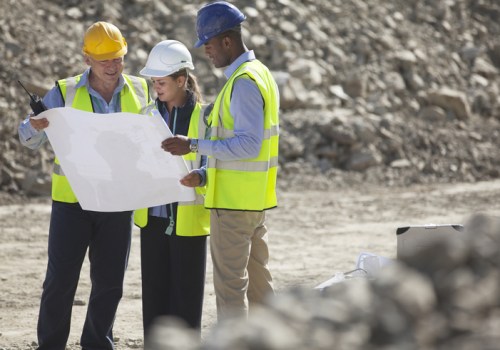
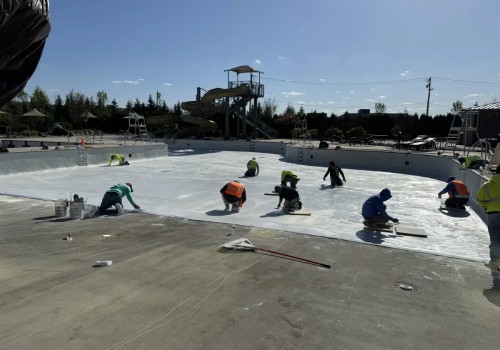
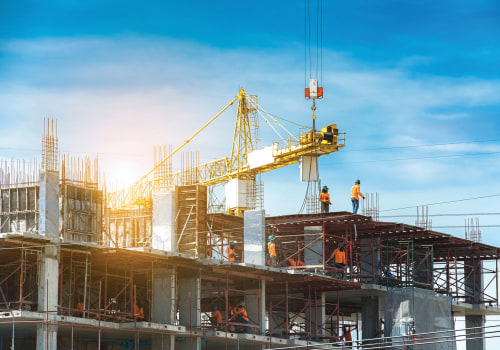
In the realm of commercial building construction, the journey from blueprint to reality is often fraught with a myriad of challenges. These obstacles can range from logistical hurdles to regulatory compliance issues, each presenting unique difficulties that can impact timelines, budgets, and overall project success. Understanding these common issues in construction is crucial for stakeholders, including developers, contractors, and investors, as it allows them to anticipate potential setbacks and devise effective strategies to mitigate risks. One of the most prevalent challenges faced during commercial building construction is the coordination of various trades and subcontractors. With multiple teams working simultaneously on different aspects of a project, miscommunication or scheduling conflicts can lead to delays and increased costs.
Additionally, unforeseen site conditions, such as poor soil quality or environmental concerns, can complicate the construction process further, requiring adjustments that may not have been accounted for in the initial planning stages. Moreover, navigating the complex landscape of local regulations and building codes adds another layer of difficulty. Compliance with these legal requirements is essential but can be time-consuming and often requires extensive documentation and inspections. As projects evolve, staying updated with changes in regulations or industry standards becomes imperative to avoid costly fines or project halts. By recognizing these construction project difficulties, stakeholders can better prepare themselves for the challenges ahead and work towards a smoother construction experience.
Project Planning and Design Issues
In the realm of commercial building construction, effective project planning and design are crucial to the success of any endeavor.A well-structured plan not only sets the foundation for the project but also helps in anticipating potential challenges that may arise during the construction phase.One of the most common pitfalls in construction project planning is inadequate site analysis. Failing to thoroughly assess the site can lead to unforeseen complications, such as zoning issues, environmental concerns, or even soil instability. These factors can significantly delay timelines and inflate budgets if not addressed early on.
Design challenges in construction
also play a pivotal role in the overall success of a project. Architects and engineers must collaborate closely to ensure that the design meets both aesthetic and functional requirements.Miscommunication between these parties can result in design flaws that are costly to rectify later. For instance, if structural elements are not aligned with the architectural vision, it may necessitate redesigns that disrupt the construction schedule.
- Budget Constraints: Often, initial designs exceed budget expectations, leading to compromises that can affect quality and safety.
- Regulatory Compliance: Navigating local building codes and regulations can be complex; failure to comply can halt progress.
- Stakeholder Expectations: Balancing the needs and desires of various stakeholders can complicate decision-making processes.
By prioritizing these aspects, project teams can mitigate risks and enhance the likelihood of delivering a project on time and within budget.
Budget Constraints and Financial Management
In the realm of commercial building construction, managing a project within budget is one of the most significant challenges faced by contractors and project managers. Budget constraints can arise from various factors, including fluctuating material costs, labor shortages, and unforeseen site conditions. These challenges necessitate a robust approach to financial management to ensure that projects remain on track and within financial limits.One of the primary issues in maintaining a construction budget is the risk of cost overruns. Cost overruns can occur due to several reasons:- Inaccurate initial estimates: If the initial budget does not accurately reflect the true costs of materials, labor, and other expenses, it can lead to significant financial shortfalls.
- Scope changes: Changes in project scope, whether due to client requests or regulatory requirements, can lead to increased costs that were not accounted for in the original budget.
- Delays: Project delays often result in additional costs, such as extended labor hours and increased material prices.
Here are some key practices:
- Detailed budgeting: Create a comprehensive budget that includes all potential costs and contingencies. This should be based on thorough research and historical data from similar projects.
- Regular monitoring: Implement a system for ongoing budget tracking throughout the construction process. Regularly compare actual expenses against the budget to identify discrepancies early.
- Communication: Maintain open lines of communication with all stakeholders, including subcontractors and suppliers, to ensure everyone is aware of budget constraints and any changes that may impact costs.
Regulatory Compliance and Permitting Challenges
In the realm of commercial building construction, navigating the complex landscape of regulatory compliance and permitting is often one of the most significant challenges faced by contractors and developers. Each project must adhere to a myriad of local, state, and federal regulations, which can vary widely depending on the location and type of construction.Construction regulations
encompass a broad range of requirements, including zoning laws, building codes, environmental regulations, and safety standards.These regulations are designed to ensure that buildings are safe, accessible, and environmentally sustainable. However, understanding and implementing these regulations can be daunting.
- Zoning Laws: These dictate how land can be used and can affect everything from building height to the types of businesses that can operate in a given area.
- Building Codes: These codes set minimum standards for construction quality and safety. Non-compliance can lead to costly delays or even project shutdowns.
- Environmental Regulations: Projects may require assessments to ensure they do not negatively impact local ecosystems, which can add time and complexity to the permitting process.
Common permitting challenges include:
- Incomplete Applications: Submitting an application that lacks required documentation can lead to rejections or requests for additional information.
- Public Opposition: Community members may voice concerns about a project, leading to public hearings that can delay approvals.
- Changes in Regulations: New laws or amendments to existing regulations can emerge during the construction timeline, necessitating adjustments to plans and permits.
Labor Shortages and Workforce Management
The construction industry is currently grappling with significant labor shortages, which pose a serious challenge to commercial building construction. These shortages are primarily driven by an aging workforce, a lack of skilled labor, and the increasing demand for construction projects. As a result, many companies are finding it difficult to hire qualified workers, leading to delays and increased costs.One of the most pressing issues is the shortage of skilled tradespeople.Electricians, plumbers, and carpenters are in high demand, yet there are not enough trained professionals to meet this need. This gap can lead to:
- Extended project timelines: With fewer workers available, projects may take longer to complete, which can affect overall profitability.
- Compromised quality: Rushed work due to labor shortages can result in subpar construction quality, leading to potential safety hazards and costly repairs down the line.
- Increased labor costs: The competition for skilled labor drives up wages, which can strain budgets and impact project feasibility.
- Investing in training programs: By developing in-house training initiatives or partnering with local trade schools, companies can cultivate a skilled workforce tailored to their specific needs.
- Utilizing technology: Implementing project management software can streamline operations and improve communication among teams, making it easier to allocate resources efficiently.
- Enhancing recruitment efforts: Companies should focus on attracting younger workers by promoting the benefits of a career in construction and offering competitive salaries and benefits.
Supply Chain Disruptions and Material Availability
In the realm of commercial building construction, supply chain disruptions have emerged as a significant challenge, impacting timelines and budgets.These disruptions can stem from various factors, including global events, trade policies, and natural disasters, which can lead to unexpected delays in material delivery.One of the most pressing issues is material shortages. As demand for construction materials surges, suppliers often struggle to keep up. This shortage can affect essential materials such as steel, lumber, and concrete, leading to project delays and increased costs. For instance, the COVID-19 pandemic highlighted vulnerabilities in the supply chain, causing widespread shortages that many construction projects are still grappling with.To navigate these challenges effectively, construction managers must adopt strategic procurement practices.
Here are some strategies that can help mitigate the impact of supply chain issues:
- Establish Strong Supplier Relationships: Building long-term relationships with reliable suppliers can ensure priority access to materials during shortages.
- Diversify Supply Sources: Relying on multiple suppliers can reduce risk. If one supplier faces disruptions, others may still be able to deliver.
- Implement Just-in-Time Inventory: This approach minimizes excess inventory costs while ensuring that materials arrive as needed, reducing the impact of delays.
- Forecast Demand Accurately: Utilizing data analytics to predict material needs can help in planning purchases ahead of time, allowing for better management of resources.
Weather-Related Delays and Environmental Factors
Weather-related delays are a significant concern in commercial building construction, as unpredictable environmental factors can disrupt project timelines and budgets.Rain, snow, extreme temperatures, and high winds can halt work, leading to costly delays and potential penalties for contractors.
Weather impact on construction
is multifaceted. For instance, heavy rainfall can lead to site flooding, making it unsafe for workers and damaging materials. Similarly, freezing temperatures can hinder concrete curing processes, while high winds pose safety risks for crane operations and scaffolding.To mitigate these risks, construction managers should implement several strategies:- Weather Monitoring: Utilize advanced weather forecasting tools to anticipate adverse conditions. This allows teams to adjust schedules proactively.
- Flexible Scheduling: Build flexibility into the project timeline to accommodate potential weather delays.
This may involve planning critical tasks during historically favorable weather periods.
- Site Preparation: Invest in proper site drainage and erosion control measures to minimize the impact of rain and flooding.
- Material Management: Store materials in weather-resistant containers or indoors to protect them from the elements.
- Safety Protocols: Establish clear safety guidelines for working in adverse weather conditions to protect workers and maintain productivity.
Communication Breakdowns Among Stakeholders
Effective communication is crucial in commercial building construction, as it involves multiple stakeholders, including architects, contractors, subcontractors, and clients. When communication falters, it can lead to significant challenges that affect the project's timeline, budget, and overall success.Common Communication Breakdowns:
- Misinterpretation of Plans: When stakeholders do not have a clear understanding of the project plans or specifications, it can result in costly errors.
For instance, if a contractor misreads the architectural drawings, it may lead to structural issues that require rework.
- Lack of Regular Updates: Infrequent communication can create gaps in information flow. Stakeholders may not be aware of changes in project scope or timelines, leading to confusion and misalignment of efforts.
- Inadequate Stakeholder Engagement: Failing to involve all relevant parties in discussions can result in overlooked concerns or requirements. For example, if subcontractors are not included in early planning meetings, their insights on feasibility may be missed.
- Language Barriers: In diverse teams, language differences can hinder effective communication. Misunderstandings may arise from technical jargon or cultural nuances that are not universally understood.
- Technology Gaps: While modern tools facilitate communication, not all stakeholders may be proficient with them.
This can lead to missed messages or delays in information sharing.
Strategies for Improvement:
- Establish Clear Communication Protocols: Define how information will be shared among stakeholders and set expectations for response times.
- Utilize Collaborative Tools: Implement project management software that allows for real-time updates and document sharing to keep everyone informed.
- Regular Meetings: Schedule consistent check-ins to discuss progress and address any emerging issues promptly.
- Encourage Open Dialogue: Foster an environment where stakeholders feel comfortable voicing concerns or asking questions without fear of repercussions.
Technological Challenges in Construction Management
In the realm of commercial building construction, the integration of technology has revolutionized project management and execution. However, this shift towards advanced construction technology is not without its challenges.1.Technology Adoption Challenges
- Resistance to Change: Many construction professionals are accustomed to traditional methods and may resist adopting new technologies, fearing disruption to established workflows.
- Training and Skill Gaps: The rapid evolution of digital tools necessitates ongoing training. A lack of skilled personnel can hinder effective implementation.
- Cost Implications: Initial investments in technology can be substantial, leading some companies to hesitate in adopting new systems despite potential long-term savings.
2.Integration Issues
- Compatibility: Different software and tools may not integrate seamlessly, leading to data silos and inefficiencies in communication among project stakeholders.
- Data Management: The influx of data from various digital tools can overwhelm teams, making it challenging to extract actionable insights for decision-making.
3.Digital Tools for Building Projects
- BIM (Building Information Modeling): While BIM enhances collaboration and visualization, its complexity can pose a steep learning curve for teams unfamiliar with 3D modeling.
- Drones and IoT Devices: These technologies offer real-time monitoring and data collection but require robust infrastructure and cybersecurity measures to protect sensitive information.
Conclusion: Overcoming Challenges in Commercial Building Construction
In conclusion, navigating the complexities of commercial building construction requires a proactive approach to overcome the myriad of challenges that can arise throughout the project lifecycle.From regulatory hurdles to budget constraints, each obstacle presents an opportunity for improvement and innovation.Key challenges such as project delays, cost overruns, and communication breakdowns can significantly impact the success of a construction project. However, by implementing effective strategies, stakeholders can mitigate these risks:
- Thorough Planning: A well-defined project plan that includes timelines, budgets, and resource allocation is essential. This helps in anticipating potential issues before they escalate.
- Regular Communication: Establishing clear lines of communication among all parties involved—contractors, architects, and clients—ensures that everyone is aligned and informed about project developments.
- Risk Management: Identifying potential risks early on and developing contingency plans can help in addressing issues swiftly, minimizing their impact on the overall project.
- Quality Control: Implementing strict quality control measures throughout the construction process can prevent costly rework and ensure that the final product meets all specifications.
Embracing these principles will lead to more successful outcomes and a stronger foundation for future endeavors in the commercial construction industry.