The design process for buildings is a complex and multifaceted endeavor that varies significantly between commercial building construction and residential building design. Understanding these differences is crucial for architects, builders, and stakeholders involved in the development of either type of structure. While both processes share fundamental principles, the scale, purpose, and regulatory requirements often dictate distinct approaches. In commercial building construction, the design process typically emphasizes functionality, efficiency, and compliance with stringent regulations. Commercial spaces are often designed to accommodate a larger number of occupants and must consider factors such as accessibility, safety codes, and environmental impact.
This necessitates a collaborative approach involving various professionals, including engineers, urban planners, and interior designers, to ensure that the final product meets both aesthetic and practical needs. Conversely, residential building design tends to focus more on personal preferences and lifestyle needs. Homeowners often have a direct influence on the design choices, which can lead to a more intimate and personalized process. While still adhering to local building codes and regulations, the emphasis is generally on creating comfortable living spaces that reflect the inhabitants' tastes and requirements. This distinction highlights the importance of understanding the unique challenges and opportunities presented by each type of building project.
Overview of Commercial Building Construction
Commercial building construction encompasses a wide range of structures designed for business purposes, each with unique requirements and design principles.Understanding the various types of commercial buildings is essential for grasping the complexities involved in their construction. Common types of commercial buildings include:
- Office Buildings: These structures are designed to accommodate businesses and organizations, featuring open floor plans and amenities that promote productivity.
- Retail Spaces: From shopping malls to standalone stores, retail spaces focus on customer experience and accessibility, often incorporating large windows and inviting entrances.
- Industrial Facilities: These buildings are tailored for manufacturing and warehousing, emphasizing functionality and efficiency in layout and design.
- Hospitality Venues: Hotels and restaurants require designs that enhance guest experience while adhering to safety regulations.
- Functionality: Commercial spaces must be designed to serve specific business needs, ensuring that the layout supports operational efficiency.
- Sustainability: Increasingly, commercial buildings incorporate sustainable practices, such as energy-efficient systems and eco-friendly materials, to reduce environmental impact.
- Aesthetics: While functionality is crucial, the visual appeal of a commercial building can significantly influence customer perception and brand identity.
Overview of Residential Building Design
Residential building design encompasses a variety of structures that serve as homes for individuals and families. The design process for these buildings is influenced by numerous factors, including the intended use, the environment, and the preferences of the occupants.Types of Residential Buildings
- Single-family homes: These are standalone structures designed to house one family.
They often feature yards and are typically located in suburban areas.
- Multi-family dwellings: This category includes apartments and condominiums, which accommodate multiple families within a single building or complex.
- Townhouses: These are attached homes that share walls with neighboring units, offering a balance between single-family homes and apartments.
- Accessory dwelling units (ADUs): Often referred to as in-law suites or granny flats, these smaller units are built on the same lot as a primary residence.
Residential Design Principles
The principles guiding residential design focus on creating functional, comfortable, and aesthetically pleasing living spaces. Key principles include:- Functionality: Spaces must be designed to meet the needs of the occupants, ensuring that each area serves its intended purpose effectively.
- Aesthetics: The visual appeal of a home is crucial. Designers often consider architectural styles, color schemes, and materials to create an inviting atmosphere.
- Sustainability: Modern residential designs increasingly incorporate eco-friendly materials and energy-efficient systems to minimize environmental impact.
- Safety and accessibility: Ensuring that homes are safe and accessible for all occupants is a fundamental aspect of residential design.
Key Differences in Design Processes
The design processes for commercial buildings and residential buildings exhibit significant differences, primarily due to the distinct purposes, regulatory requirements, and stakeholder involvement associated with each type of construction.Architectural Considerations
- Functionality: Commercial buildings are designed with functionality at the forefront, often accommodating large numbers of people and various business operations.
In contrast, residential designs prioritize comfort and personal space.
- Scale: The scale of commercial projects typically requires more complex structural systems and materials that can support larger spans and heavier loads compared to residential structures.
- Aesthetics: While both types of buildings consider aesthetics, commercial designs often focus on branding and visibility, leading to unique architectural features that attract customers.
Regulatory Requirements
- Zoning Laws: Commercial buildings must adhere to stricter zoning laws that dictate land use, building height, and density. Residential buildings have more lenient regulations but still require compliance with local codes.
- Building Codes: The building codes for commercial structures are generally more rigorous, addressing safety standards for public occupancy, fire safety measures, and accessibility requirements under the Americans with Disabilities Act (ADA).
Stakeholder Involvement
- Client Input: In commercial projects, multiple stakeholders—including investors, tenants, and regulatory bodies—often influence the design process. This contrasts with residential projects where the homeowner's preferences are usually paramount.
- Collaboration: The design process for commercial buildings often involves a larger team of professionals such as engineers, urban planners, and environmental consultants to address the multifaceted needs of the project.
Stakeholder Involvement in Commercial vs Residential Projects
In the realm of commercial building construction, stakeholder involvement is significantly more complex compared to residential projects. This complexity arises from the diverse range of interests and objectives that must be balanced throughout the design and construction phases.Key Stakeholders in Commercial Projects
- Developers: They are often the driving force behind commercial projects, providing the necessary funding and vision.
- Architects and Designers: Responsible for creating functional and aesthetically pleasing designs that meet regulatory standards.
- Contractors: They execute the construction plans, managing labor and materials to ensure timely project completion.
- Investors: Their financial backing is crucial, and they often have a say in design choices to maximize return on investment.
- Local Government: Regulatory bodies that enforce zoning laws, building codes, and environmental regulations.
- End Users: Businesses or organizations that will occupy the space, providing input on functionality and layout.
Stakeholders in Residential Projects
- Homeowners: The primary decision-makers who influence design based on personal preferences and lifestyle needs.
- Architects: Similar to commercial projects, they focus on creating designs that reflect the homeowner's vision while adhering to local codes.
- Contractors: They manage the construction process but typically have less complexity in coordination compared to commercial projects.
- Real Estate Agents: They may provide insights into market trends that can influence design decisions for resale value.
In commercial projects, multiple stakeholders often have conflicting interests, making it essential for project managers to navigate these dynamics skillfully. In contrast, residential projects tend to have a more straightforward stakeholder structure, allowing for quicker decision-making processes. Understanding these distinctions is vital for successful project management and achieving desired outcomes in both sectors.
Regulatory and Compliance Considerations
When it comes to commercial building construction, understanding the regulatory and compliance landscape is crucial. The design process for commercial buildings is often more complex than that for residential structures due to a variety of factors, including building regulations, zoning laws, and specific compliance requirements.Building Regulations
Commercial buildings must adhere to stringent building regulations that ensure safety, accessibility, and environmental sustainability.These regulations can vary significantly by location and often include:
- Fire safety codes: Commercial spaces typically require more extensive fire safety measures, including sprinkler systems and fire exits.
- Accessibility standards: Compliance with the Americans with Disabilities Act (ADA) is mandatory, necessitating features like ramps and accessible restrooms.
- Energy efficiency requirements: Many jurisdictions enforce energy codes that mandate specific energy-saving features in commercial buildings.
Zoning Laws
Zoning laws play a pivotal role in the design of commercial buildings. These laws dictate how land can be used and can affect:- Building height and density: Zoning regulations may limit how tall a building can be or how many units can be constructed on a given plot.
- Land use: Certain areas may be designated for specific types of commercial activities, influencing the type of business that can operate there.
- Parking requirements: Commercial buildings often have stricter parking requirements compared to residential properties, impacting site layout and design.
Budgeting and Financial Considerations in Design
When it comes to commercial building construction, budgeting and financial considerations play a pivotal role in the design process.Unlike residential projects, where costs may be more predictable, commercial projects often involve a complex array of financial factors that can significantly impact the overall budget.
Cost Differences Between Commercial and Residential Projects
- Scale and Scope: Commercial buildings are typically larger and more intricate than residential homes, leading to higher initial costs. The scale of operations, including the need for specialized materials and systems, can inflate budgets considerably.
- Regulatory Compliance: Commercial projects must adhere to stricter regulations and codes, which can add to the cost. This includes zoning laws, safety standards, and accessibility requirements that are less stringent in residential construction.
- Design Complexity: The design phase for commercial buildings often requires input from various professionals, including architects, engineers, and consultants. This collaborative approach can lead to increased design fees compared to residential projects.
Financial Planning in Building Projects
Effective financial planning is crucial for both commercial and residential construction, but the stakes are often higher in commercial projects.
Developers must consider not only the construction costs but also long-term operational expenses. This includes:
- Operational Costs: Understanding ongoing expenses such as utilities, maintenance, and property management is essential for commercial buildings.
- Return on Investment (ROI): Investors typically expect a clear ROI strategy for commercial properties, influencing design choices that prioritize functionality and efficiency.
- Financing Options: Commercial projects often require different financing structures compared to residential ones. Options may include traditional loans, private equity, or public funding sources.
Sustainability Practices in Commercial vs Residential Design
When it comes to sustainability practices, the design processes for commercial buildings and residential buildings exhibit notable differences, primarily due to their distinct purposes, scales, and user needs.Understanding these differences is crucial for architects and builders aiming to implement effective eco-friendly design considerations.
Commercial Building Sustainability
In the realm of commercial building construction, sustainability often focuses on maximizing energy efficiency and minimizing operational costs. Large-scale projects typically incorporate advanced technologies such as:- Energy-efficient HVAC systems: These systems are designed to reduce energy consumption while maintaining optimal indoor air quality.
- Smart building technologies: Automation systems that control lighting, heating, and cooling based on occupancy can significantly lower energy usage.
- Renewable energy sources: Many commercial buildings are now integrating solar panels or wind turbines to generate on-site energy.
Residential Building Sustainability
Conversely, the approach to sustainability in residential buildings tends to emphasize personal comfort and aesthetic appeal alongside eco-friendliness. Homeowners often seek:- Passive solar design: This involves orienting the home to maximize natural light and heat from the sun, reducing reliance on artificial heating and cooling.
- Water conservation systems: Features like rainwater harvesting and low-flow fixtures are common in sustainable residential designs.
- Local and recycled materials: Homeowners frequently prefer materials sourced locally or made from recycled content to minimize their carbon footprint.
Understanding these distinctions is essential for architects and builders committed to advancing sustainable practices in both sectors.
Future Trends in Building Design: Commercial vs Residential
As we look towards the future of building design, both commercial and residential sectors are poised to undergo significant transformations driven by innovation and technology. Understanding these trends is crucial for architects, builders, and stakeholders in the commercial building construction industry.Innovative Building Designs
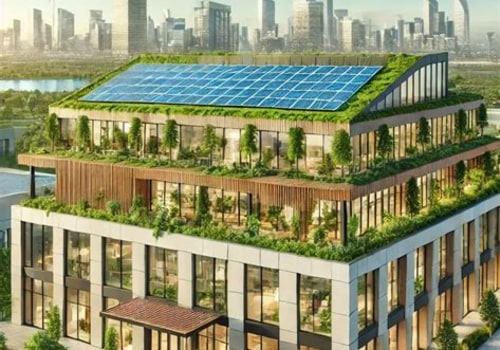
One of the most exciting trends in building design is the shift towards sustainable architecture. This approach not only focuses on energy efficiency but also emphasizes the use of eco-friendly materials. For commercial buildings, this means integrating features such as:- Green roofs that reduce heat absorption and improve insulation.
- Solar panels to harness renewable energy.
- Smart glass that adjusts transparency based on sunlight, enhancing energy efficiency.
The Role of Technology in Architecture
The integration of technology in architecture is another defining trend.In commercial building construction, technologies like Building Information Modeling (BIM) are revolutionizing how projects are planned and executed. BIM allows for:
- Enhanced collaboration among architects, engineers, and contractors.
- Real-time updates to project plans, reducing errors and delays.
- Cost estimation that is more accurate from the outset.
Embracing these innovations will be essential for architects and builders aiming to stay ahead in a competitive market.
Conclusion: Summarizing Key Differences in Design Processes
In conclusion, the design processes for commercial building construction and residential buildings exhibit significant differences that are crucial for industry professionals to understand. These distinctions not only affect the architectural approach but also influence project management, regulatory compliance, and stakeholder engagement.Key Differences
- Scale and Complexity: Commercial projects typically involve larger scales and more complex designs compared to residential buildings. This complexity often requires a multidisciplinary team of architects, engineers, and consultants to collaborate effectively.
- Regulatory Requirements: The regulatory landscape for commercial buildings is generally more stringent. Professionals must navigate a myriad of codes and standards that govern safety, accessibility, and environmental impact, which can vary significantly from those applicable to residential projects.
- Budgeting and Financing: Funding for commercial construction often involves multiple stakeholders, including investors and financial institutions.
This necessitates a more detailed financial analysis and risk assessment compared to residential projects, which are usually funded by individual homeowners.
- Design Intent: The design intent for commercial buildings often prioritizes functionality and efficiency over aesthetics. While residential designs may focus on personal taste and comfort, commercial designs must consider factors like traffic flow, branding, and operational efficiency.