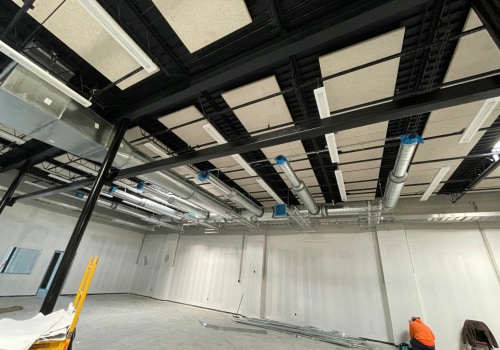
Understanding the construction timelines for both commercial and residential projects is crucial for stakeholders in the construction industry. Each type of building comes with its own set of complexities, regulations, and requirements that significantly influence the duration of the construction process. While both commercial and residential constructions aim to create functional spaces, the commercial building construction timeline often differs markedly from that of residential projects due to various factors such as project scale, design intricacies, and regulatory approvals. In general, commercial construction projects tend to be larger in scale and more complex than their residential counterparts. This complexity can lead to longer timelines, as commercial buildings often require extensive planning, coordination among multiple contractors, and adherence to stringent safety and zoning regulations.
On the other hand, residential construction timelines can be more straightforward, typically involving fewer stakeholders and less regulatory red tape. However, this does not mean that residential projects are without their own challenges; factors such as custom designs or site-specific issues can also extend their timelines. As we delve deeper into the differences between these two types of construction timelines, it becomes evident that understanding these distinctions is essential for effective project management. Whether you are a contractor, architect, or investor, recognizing how commercial building construction differs from residential construction can help in setting realistic expectations and ensuring successful project delivery.
Overview of Commercial Building Construction
The commercial building construction process is a multifaceted endeavor that typically involves several distinct phases, each critical to the successful completion of a project. Understanding these phases can help stakeholders manage expectations and timelines effectively.- Planning: This initial phase involves defining the project scope, budget, and timeline.
Stakeholders, including developers, architects, and contractors, collaborate to outline the project's objectives and feasibility. Market research and site analysis are also conducted to ensure the project aligns with local demand and regulations.
- Design: Once planning is complete, the design phase begins. Architects and engineers create detailed blueprints that reflect the project's vision while adhering to zoning laws and building codes. This phase often includes multiple revisions based on feedback from stakeholders.
- Permitting: Before construction can commence, necessary permits must be obtained from local authorities.
This process can vary significantly depending on the project's size and complexity. Delays in permitting can impact the overall commercial project timeline, making it essential to factor this into planning.
- Execution: The execution phase is where the actual construction takes place. This phase is typically divided into sub-phases, including site preparation, foundation work, structural framing, and finishing. Each sub-phase requires careful coordination among various contractors and tradespeople to ensure that the project stays on schedule.
- Inspection and Handover: After construction is complete, inspections are conducted to ensure compliance with safety standards and building codes.
Once all inspections are passed, the building is handed over to the owner or tenant for occupancy.
Overview of Residential Building Construction
The residential building construction process typically unfolds in several distinct phases, each contributing to the overall timeline and success of the project. Understanding these phases is crucial for homeowners and builders alike, as they highlight the unique aspects of residential projects compared to commercial construction.Phases of Residential Construction
- Planning and Design: This initial phase involves conceptualizing the project, selecting a site, and creating architectural plans. Homeowners often work closely with architects and designers to ensure their vision is realized.
- Permitting: Before any physical work begins, obtaining the necessary permits from local authorities is essential.
This can vary significantly in duration based on location and project scope.
- Site Preparation: Once permits are secured, the site is cleared and prepared for construction. This includes grading the land and setting up utilities.
- Foundation Work: The foundation is a critical component of any residential building. This phase involves pouring concrete or laying blocks, which must cure properly before moving on.
- Framing: After the foundation is set, framing begins. This includes constructing walls, floors, and roofs, providing the structure with its shape and support.
- Mechanical, Electrical, and Plumbing (MEP): Once the frame is up, contractors install essential systems such as plumbing, electrical wiring, and HVAC systems.
- Interior Finishes: This phase includes drywall installation, painting, flooring, and other aesthetic elements that make a house feel like a home.
- Final Inspection and Handover: After all work is completed, a final inspection ensures everything meets local codes before the homeowner takes possession.
Typically, smaller residential projects may take anywhere from a few months to over a year to complete. In contrast to commercial building construction timelines, which often involve more complex regulations and larger teams, residential projects tend to be more straightforward but still require careful planning and execution.
Key Differences in Construction Timelines
When comparing commercial building construction to residential construction, the timelines can vary significantly due to several key factors. Understanding these differences is crucial for stakeholders involved in either type of project.- Project Scale: Commercial projects are typically larger in scale than residential ones. This increased size often leads to longer construction durations.
For instance, a small retail space may take a few months to complete, while a large office building could span over a year or more.
- Complexity: The complexity of commercial building construction often surpasses that of residential projects. Commercial buildings may require advanced systems for HVAC, electrical, and plumbing, which can extend the timeline due to the need for specialized labor and materials.
- Regulatory Requirements: Commercial projects usually face more stringent regulatory requirements and zoning laws compared to residential constructions. The permitting process can be lengthy, as it often involves multiple agencies and public hearings, adding weeks or even months to the overall timeline.
- Financing: Securing financing for commercial projects can be more complicated than for residential ones. Investors and lenders may require extensive documentation and feasibility studies, which can delay the start of construction.
Understanding these differences helps stakeholders set realistic expectations and plan accordingly.
Factors Influencing Construction Timelines
Understanding the factors influencing construction timelines is essential for both commercial and residential projects. However, the complexities involved in commercial building construction often introduce unique challenges that can significantly affect the schedule.- Weather Conditions: Adverse weather can halt progress on any construction site. For commercial projects, which often involve larger structures, the impact of weather delays can be more pronounced due to the extended timelines and increased exposure to elements.
- Labor Availability: The availability of skilled labor is crucial. Commercial projects typically require specialized tradespeople, and shortages can lead to significant delays.
In contrast, residential projects may have a more flexible labor pool.
- Supply Chain Issues: The procurement of materials for commercial buildings can be more complex due to larger quantities and specific requirements. Disruptions in the supply chain can lead to delays in receiving essential materials, impacting the overall timeline.
- Design Changes: Changes in design during the construction phase can be particularly disruptive in commercial projects. These changes often require re-evaluation of plans and additional approvals, which can extend timelines considerably.
Case Studies: Commercial vs.
Residential ProjectsTo better understand the differences in timelines between commercial building construction and residential projects, we can examine a few real-world case studies that highlight these distinctions.
Case Study 1: Office Building Development
A recent office building project in downtown Chicago took approximately 18 months from groundbreaking to completion. This project involved multiple floors, extensive electrical and plumbing systems, and compliance with various zoning laws. The complexity of the design and the need for specialized contractors contributed to a longer timeline. Additionally, the project faced delays due to unforeseen weather conditions and supply chain issues, which are more common in large-scale commercial projects.Case Study 2: Single-Family Home Construction
In contrast, a single-family home built in the suburbs of Atlanta was completed in just 6 months.This project involved standard materials and a straightforward design, allowing for quicker approvals and fewer regulatory hurdles. The smaller scale of the project meant that fewer subcontractors were needed, which streamlined communication and coordination among teams.
Case Study 3: Retail Space Renovation
A retail space renovation in San Francisco showcased another aspect of commercial building construction. The renovation took about 4 months to complete, primarily due to the need for compliance with updated safety codes and accessibility standards. While renovations can sometimes be quicker than new builds, the specific requirements for commercial spaces often extend timelines compared to residential renovations.These case studies illustrate that while residential projects can often be completed more quickly due to their simpler nature, commercial building construction typically involves more complex regulations, larger teams, and longer timelines.Understanding these differences is crucial for stakeholders in both sectors to set realistic expectations and plan accordingly.
Best Practices for Managing Construction Timelines
Managing timelines effectively in commercial building construction requires a strategic approach that differs from residential projects. Here are some best practices to ensure your project stays on track:- Establish Clear Objectives: Begin with a well-defined project scope and timeline. This clarity helps all stakeholders understand their roles and responsibilities, reducing the likelihood of delays.
- Utilize Project Management Software: Leverage technology to streamline scheduling and communication. Tools like Microsoft Project or Trello can help track progress, assign tasks, and manage deadlines efficiently.
- Regular Communication: Maintain open lines of communication among all parties involved, including contractors, architects, and clients.
Regular updates can help identify potential issues before they escalate into significant delays.
- Implement a Phased Approach: Break the project into manageable phases. This allows for better focus on each stage of construction and makes it easier to adjust timelines as needed.
- Risk Management: Identify potential risks early in the planning process. Develop contingency plans to address these risks, ensuring that your project can adapt to unforeseen challenges without derailing the timeline.
FAQs about Construction Timelines
When it comes to construction timelines, many people have questions about the differences between commercial building construction and residential projects. Here are some frequently asked questions that can help clarify these differences:What factors influence the timeline for commercial construction?
The timeline for commercial building construction can be influenced by several factors, including:- Project Size: Larger projects typically require more time due to the complexity and scale of the work involved.
- Permitting and Regulations: Commercial projects often face stricter regulations and longer permitting processes compared to residential builds.
- Design Complexity: The architectural and engineering designs for commercial buildings are usually more intricate, which can extend the timeline.
- Workforce Availability: The availability of skilled labor can impact how quickly a project progresses.
How do timelines compare between commercial and residential construction?
Generally, residential construction projects tend to have shorter timelines than their commercial counterparts.Here are some key comparisons:
- Residential Projects: A typical single-family home can take anywhere from 6 to 12 months to complete, depending on size and complexity.
- Commercial Projects: In contrast, commercial buildings can take anywhere from 12 months to several years, especially for large-scale developments like shopping centers or office buildings.
What are common misconceptions about construction timelines?
Many people believe that all construction projects follow a similar timeline. However, this is not the case. Some common misconceptions include:- All projects take the same amount of time: As mentioned, commercial projects often take significantly longer due to various factors.
- Delays are always due to poor planning: While planning is crucial, external factors such as weather, supply chain issues, and labor shortages can also cause delays.
Conclusion: Summarizing Key Differences and Insights
In conclusion, understanding the differences in timelines between commercial building construction and residential construction is crucial for stakeholders involved in any building project. The complexities inherent in commercial projects often lead to longer timelines due to several factors.Key Differences:- Project Scope: Commercial projects typically involve larger scales and more intricate designs, which can extend the planning and execution phases.
- Regulatory Approvals: The permitting process for commercial buildings is often more rigorous, requiring additional time for compliance with zoning laws and safety regulations.
- Financing and Budgeting: Securing funding for commercial projects can be more complex, leading to delays in the start of construction as financial arrangements are finalized.
- Construction Techniques: The use of specialized materials and advanced construction techniques in commercial buildings can also contribute to longer timelines compared to residential projects.
In contrast, residential construction tends to have a more straightforward process with fewer regulatory hurdles and a smaller team involved. Ultimately, recognizing these differences not only aids in setting realistic expectations but also enhances project management strategies. By being aware of the unique challenges associated with commercial building construction, developers and contractors can better prepare for potential delays and streamline their processes for successful project completion.