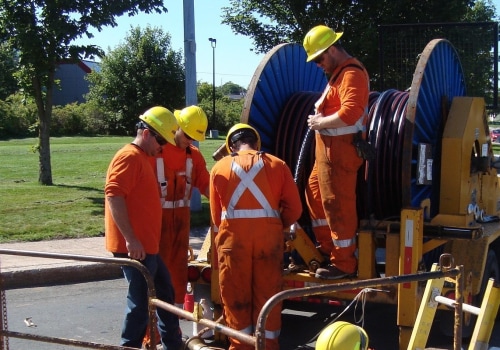
In the realm of commercial building construction, safety is not merely a regulatory requirement; it is a fundamental aspect that influences the well-being of workers, the integrity of the project, and the overall success of the construction endeavor. The construction site is inherently fraught with risks, from heavy machinery operation to working at heights, making it imperative to prioritize construction site safety measures. A robust safety culture not only protects employees but also enhances productivity and efficiency, ultimately leading to timely project completion. Understanding the importance of safety in commercial building construction extends beyond compliance with laws and regulations. It involves fostering an environment where every worker feels responsible for their own safety and that of their colleagues.
This collective commitment to safety can significantly reduce accidents and injuries, which in turn minimizes project delays and financial losses. When safety protocols are effectively implemented, they contribute to a positive reputation for contractors and developers, attracting future business opportunities. Moreover, investing in safety training and equipment is a proactive approach that pays dividends in the long run. By equipping workers with the knowledge and tools necessary to navigate potential hazards, companies can create a safer workplace that not only meets legal standards but also promotes a culture of care and respect among all team members. In this way, prioritizing safety in commercial building construction is not just about avoiding penalties; it is about building a foundation for success that benefits everyone involved.
Key Safety Regulations and Standards
In the realm of commercial building construction, adhering to safety regulations and standards is paramount to ensure the well-being of workers and the integrity of the project.Various regulations govern construction safety, with the Occupational Safety and Health Administration (OSHA) being a key authority in this domain.
OSHA standards
provide a comprehensive framework for maintaining safety on construction sites. These standards cover a wide range of topics, including:- Fall Protection: Ensuring that workers are protected from falls, which are one of the leading causes of injuries in construction.
- Scaffolding Safety: Guidelines for the safe use and construction of scaffolding to prevent accidents.
- Personal Protective Equipment (PPE): Requirements for appropriate gear such as helmets, gloves, and eye protection.
- Hazard Communication: Ensuring that all hazardous materials are properly labeled and that workers are trained in handling them.
- Structural Integrity: Requirements that ensure buildings can withstand environmental stresses such as wind and earthquakes.
- Fire Safety: Regulations regarding fire exits, alarms, and sprinkler systems to protect occupants.
- Accessibility Standards: Compliance with the Americans with Disabilities Act (ADA) to ensure buildings are accessible to all individuals.
By prioritizing compliance with these regulations, companies not only protect their workforce but also enhance their reputation and reduce liability risks associated with accidents.
Risk Assessment and Management Strategies
Effective risk assessment is a critical component of commercial building construction. It involves identifying potential hazards that could impact the safety of workers and the integrity of the project. A thorough risk assessment should be conducted at the outset of any construction project to ensure that all possible risks are accounted for and managed appropriately.Identifying Hazards
- Site Conditions: Assess the physical environment, including soil stability, weather conditions, and proximity to other structures.
- Equipment Use: Evaluate the machinery and tools that will be used on-site, ensuring they are in good working condition and appropriate for the tasks at hand.
- Workforce Safety: Consider the experience and training of workers, as well as any potential health risks associated with specific tasks.
- Training Programs: Regular safety training sessions for all workers to ensure they understand how to recognize and mitigate risks.
- Safety Protocols: Establish clear safety protocols that outline procedures for handling hazardous situations.
- PPE Requirements: Mandate the use of personal protective equipment (PPE) such as helmets, gloves, and safety goggles to minimize injury risks.
- Regular Inspections: Conduct frequent site inspections to identify new hazards and ensure compliance with safety standards.
This proactive approach not only protects workers but also contributes to the overall success of the commercial building construction project.
Personal Protective Equipment (PPE) Requirements
In the realm of commercial building construction, ensuring the safety of workers is paramount. One of the most effective ways to safeguard against workplace injuries is through the use of Personal Protective Equipment (PPE). This equipment is designed to protect workers from various hazards they may encounter on construction sites.Essential PPE for Construction Workers
- Hard Hats: These are crucial for protecting against head injuries from falling objects or bumps.
- Safety Glasses: Eye protection is vital, especially when working with power tools or in environments where debris is present.
- High-Visibility Clothing: This gear ensures that workers are easily seen, reducing the risk of accidents, especially in low-light conditions.
- Gloves: Depending on the task, gloves can protect hands from cuts, abrasions, and chemical exposure.
- Steel-Toed Boots: Footwear with reinforced toes protects against heavy objects that may fall or roll onto feet.
- Respirators: In environments with dust, fumes, or other airborne hazards, respirators are essential for protecting lung health.
PPE Requirements and Compliance
Employers in the commercial construction sector must adhere to OSHA regulations regarding PPE. This includes conducting a thorough assessment of potential hazards and providing appropriate equipment to all employees.
Training on the correct use and maintenance of PPE is also critical to ensure its effectiveness.The role of PPE in commercial building construction cannot be overstated. By equipping workers with the right safety gear, companies not only comply with legal requirements but also foster a culture of safety that can lead to reduced injury rates and increased productivity on site.
Training and Education for Construction Workers
In the realm of commercial building construction, the significance of training and education for construction workers cannot be overstated. Proper training equips workers with the knowledge and skills necessary to navigate the complexities of construction sites safely and efficiently.Construction Safety Training
- OSHA Compliance: Adhering to Occupational Safety and Health Administration (OSHA) standards is crucial. Regular training sessions ensure that workers are familiar with these regulations, reducing the risk of accidents.
- Hazard Recognition: Workers must be trained to identify potential hazards on-site, such as falling objects, electrical risks, and unsafe scaffolding.
This awareness is vital for preventing injuries.
- Emergency Response: Training should include emergency procedures, enabling workers to respond effectively in case of accidents or natural disasters.
Worker Education Programs
- Onboarding Programs: New employees should undergo comprehensive onboarding that covers safety protocols specific to the site and the equipment they will be using.
- Continuous Learning: Ongoing education programs help workers stay updated on new safety practices, technologies, and regulations in the commercial building construction industry.
- Certification Courses: Encouraging workers to pursue certifications in safety management can enhance their skills and contribute to a safer work environment.
The Importance of Safety Training
The importance of safety training extends beyond compliance; it fosters a culture of safety within the organization. When workers feel confident in their training, they are more likely to adhere to safety protocols, leading to fewer accidents and injuries. Moreover, a strong safety record can enhance a company's reputation, making it more attractive to clients and potential employees.In conclusion, investing in training and education for construction workers is not just a regulatory requirement but a fundamental aspect of ensuring safety on commercial building construction sites. By prioritizing these programs, companies can create a safer work environment that benefits everyone involved.
Site Safety Management Plans
Developing a comprehensive site safety management plan is crucial for ensuring the safety of all personnel involved in commercial building construction.This plan serves as a roadmap for identifying potential hazards, implementing safety measures, and ensuring compliance with local regulations and industry standards.
Key Components of a Site Safety Management Plan:
- Risk Assessment: Conduct a thorough risk assessment to identify potential hazards associated with the construction site. This includes evaluating equipment, materials, and environmental factors that could pose risks to workers.
- Safety Policies and Procedures: Establish clear safety policies and procedures that outline the responsibilities of all team members. This should include protocols for reporting incidents, emergency response plans, and guidelines for using personal protective equipment (PPE).
- Training and Communication: Implement regular training sessions to ensure that all workers are familiar with the safety management strategies in place. Effective communication is essential; consider using signage and meetings to reinforce safety messages.
- Monitoring and Review: Regularly monitor the effectiveness of the safety management plan.
Conduct site inspections and audits to ensure compliance with safety measures. Be prepared to revise the plan based on feedback and changing conditions on-site.
Emergency Preparedness and Response Plans
In the realm of commercial building construction, having a robust emergency preparedness plan is crucial for ensuring the safety of all personnel on-site.Construction sites are inherently hazardous, and the potential for accidents or emergencies is ever-present. Therefore, it is essential to establish clear protocols that can be activated in the event of an incident.
Key Components of Emergency Preparedness Plans
- Risk Assessment: Conduct a thorough risk assessment to identify potential hazards specific to the construction site. This includes evaluating risks related to equipment, materials, and environmental factors.
- Emergency Contacts: Maintain an updated list of emergency contacts, including local emergency services, medical facilities, and key personnel within the organization.
- Training and Drills: Regularly train all employees on emergency procedures and conduct drills to ensure everyone knows how to respond effectively during a crisis.
- First Aid and Medical Response: Ensure that first aid kits are readily available on-site and that designated personnel are trained in basic first aid and CPR.
- Evacuation Plans: Develop clear evacuation routes and procedures. Make sure these plans are communicated to all workers and posted prominently around the site.
Responding to Construction Site Emergencies
In the event of an emergency, swift action can save lives.
The following steps should be part of any effective response plan:
- Assess the Situation: Quickly evaluate the nature of the emergency to determine the appropriate response.
- Alert Authorities: Contact emergency services immediately if the situation requires professional intervention.
- Implement Evacuation Procedures: If necessary, initiate evacuation protocols to ensure all personnel can exit the site safely.
- Provide First Aid: Administer first aid to any injured individuals while waiting for professional medical help to arrive.
Common Safety Hazards in Commercial Building Construction
During commercial building construction, various safety hazards can pose significant risks to workers and the overall project. Identifying these hazards early is crucial for implementing effective safety measures.- Falls: One of the most common hazards in construction, falls can occur from heights, such as scaffolding or ladders. To mitigate this risk, ensure that all workers are trained in fall protection and that proper safety equipment, like harnesses and guardrails, is used.
- Electrical Hazards: Working with electricity presents serious dangers, including electrocution.
It is essential to follow strict protocols for handling electrical systems and to use insulated tools. Regular inspections of electrical equipment can also help prevent accidents.
- Heavy Machinery: The use of cranes, forklifts, and other heavy machinery introduces risks such as collisions and crush injuries. Operators should be properly trained, and clear signage should be posted to direct traffic on the site.
- Hazardous Materials: Construction sites often involve materials that can be harmful if inhaled or touched, such as asbestos or lead. Proper handling procedures and personal protective equipment (PPE) are vital for minimizing exposure.
- Slips and Trips: Uneven surfaces, debris, and wet conditions can lead to slips and trips.
Keeping the site clean and organized, along with using non-slip footwear, can significantly reduce these incidents.
The Role of Technology in Enhancing Construction Safety
In the realm of commercial building construction, the integration of technology has become a pivotal factor in enhancing safety measures on job sites. By leveraging advanced tools and innovative solutions, construction companies can significantly reduce risks and improve overall safety management.Drones for Site Monitoring
Drones have revolutionized the way construction sites are monitored.These unmanned aerial vehicles can provide real-time aerial views of the site, allowing project managers to identify potential hazards from above. With high-resolution cameras, drones can capture images and videos that help in assessing site conditions, ensuring compliance with safety regulations, and monitoring worker activities.
Wearable Technology
Wearable devices, such as smart helmets and vests equipped with sensors, are becoming increasingly popular in construction technology for safety. These devices can track workers' locations, monitor vital signs, and even detect falls or accidents. By providing immediate alerts to supervisors, wearables enhance response times during emergencies and contribute to a safer working environment.Software Solutions for Safety Management
Digital tools play a crucial role in managing safety protocols effectively.Software solutions designed for safety management allow construction teams to document incidents, conduct risk assessments, and manage compliance with safety regulations. These platforms often include features such as:
- Incident Reporting: Streamlined processes for reporting accidents or near misses.
- Training Management: Tracking employee training and certifications to ensure all workers are adequately prepared.
- Safety Audits: Tools for conducting regular safety audits and inspections to identify areas for improvement.
Conclusion: Prioritizing Safety in Commercial Building Construction Projects
In conclusion, the significance of prioritizing safety measures during commercial building construction cannot be overstated. As we have explored throughout this article, the construction industry is inherently fraught with risks, making it essential for all stakeholders to adopt a proactive approach to safety.Implementing comprehensive safety protocols not only protects workers but also enhances project efficiency and reduces costs associated with accidents and delays.Key safety measures include:
- Regular Safety Training: Ensuring that all personnel are well-trained in safety practices and emergency procedures is crucial. This training should be ongoing and updated regularly to reflect new regulations and technologies.
- Use of Personal Protective Equipment (PPE): Mandating the use of appropriate PPE, such as helmets, gloves, and harnesses, can significantly reduce the risk of injury on site.
- Site Inspections: Conducting frequent inspections to identify potential hazards allows for timely interventions before accidents occur.
- Clear Communication: Establishing effective communication channels among team members ensures that everyone is aware of their responsibilities and any changes in safety protocols.