In the realm of real estate and urban development, commercial building construction plays a pivotal role in shaping our cities and communities. This process encompasses a wide array of activities, from initial planning and design to the final touches that make a building functional and aesthetically pleasing. Understanding the intricacies of the construction process is essential for stakeholders, including investors, architects, and contractors, as it directly impacts project timelines, budgets, and overall success. The significance of commercial construction extends beyond mere aesthetics; it serves as a backbone for economic growth. Well-planned commercial spaces can attract businesses, create jobs, and enhance local economies.
As urban areas continue to expand, the demand for innovative and sustainable commercial buildings rises, making it crucial to grasp the key steps involved in this complex process. This article will delve into the essential phases of commercial building construction, providing a comprehensive overview that highlights not only the technical aspects but also the strategic considerations that influence each stage. By understanding these steps, stakeholders can better navigate the challenges of construction and contribute to creating spaces that meet both current needs and future demands.
Pre-Construction Planning
The pre-construction planning phase is a critical step in the commercial building construction process, laying the groundwork for a successful project. This phase involves several key components, including site selection, budgeting, and obtaining necessary permits.Site Selection
Choosing the right site is essential for the success of any commercial building project. Factors to consider during site selection include:- Location: Proximity to customers, suppliers, and transportation networks can significantly impact business operations.
- Zoning Regulations: Ensure the site is zoned for commercial use and complies with local regulations.
- Environmental Considerations: Assess any environmental restrictions or potential hazards that could affect construction.
- Accessibility: Evaluate access for construction vehicles and future customers.
Budgeting
A well-defined budget is crucial for keeping the project on track financially.During the budgeting phase, consider the following:
- Construction Costs: Estimate costs for materials, labor, and equipment.
- Contingency Funds: Set aside a percentage of the budget for unexpected expenses.
- Timeline: Align your budget with the project timeline to avoid cash flow issues.
Obtaining Permits
The final step in pre-construction planning involves securing all necessary permits. This process can vary significantly based on location and project scope. Key permits may include:- Zoning Permits: Required to ensure compliance with local zoning laws.
- Building Permits: Necessary for construction to begin legally.
- Environmental Permits: Needed if the project impacts local ecosystems or requires environmental assessments.
Design and Architecture Phase
The design and architecture phase is a critical step in the commercial building construction process, as it lays the foundation for the entire project.This phase involves a collaborative effort between clients, architects, and other stakeholders to ensure that the final design meets both functional and aesthetic requirements.During this phase, architects create detailed blueprints that serve as a visual representation of the project. These blueprints include essential elements such as:
- Floor plans: Illustrating the layout of spaces within the building.
- Elevations: Showing the exterior views of the building from different angles.
- Sections: Providing cross-sectional views to understand the building's structure.
- Details: Highlighting specific construction elements and materials.
- Understand the client's needs and preferences.
- Incorporate sustainable practices and materials into the design.
- Ensure compliance with local building codes and regulations.
This technology not only enhances communication but also facilitates adjustments before construction begins, saving time and resources.In summary, the design and architecture phase is essential for successful commercial building construction. By focusing on detailed blueprints and fostering collaboration with architects, clients can ensure that their vision is accurately translated into a functional and aesthetically pleasing structure.
Bidding and Contractor Selection
The bidding process is a critical phase in the commercial building construction journey, as it sets the stage for selecting the right contractor who will bring your vision to life. This process typically begins with the distribution of bid documents to potential contractors, which include detailed project specifications, timelines, and budget estimates.Once contractors receive these documents, they will prepare their bids, which outline their proposed costs and timelines. It’s essential to allow sufficient time for contractors to review the documents thoroughly and submit their bids.A well-structured bidding timeline can help ensure that you receive comprehensive proposals.
Evaluating Bids
After receiving bids, the next step is evaluating bids. This involves more than just comparing numbers; it requires a careful assessment of each contractor's qualifications, experience, and past performance. Consider the following factors:- Experience: Look for contractors with a proven track record in commercial building construction.
- References: Request references from previous clients to gauge satisfaction and reliability.
- Quality of Work: Review portfolios or past projects to assess the quality of their work.
- Compliance: Ensure that all bids comply with local regulations and standards.
Contractor Selection
Selecting the right contractor is crucial for the success of your project. After evaluating bids, narrow down your choices based on the criteria mentioned above.It’s advisable to conduct interviews with shortlisted contractors to discuss their proposals in detail and clarify any uncertainties.
Contract Negotiation
The final step in this section is contract negotiation. Once you have selected a contractor, it’s time to negotiate terms that protect your interests while ensuring a fair agreement for both parties. Key elements to discuss include:- Payment Terms: Establish a clear payment schedule linked to project milestones.
- Scope of Work: Clearly define what is included in the contract to avoid misunderstandings later.
- Timeline: Agree on a realistic timeline for project completion.
- Change Orders: Discuss how changes will be handled during construction.
Construction Phase: Groundbreaking to Completion
The construction phase of a commercial building is a critical period that transforms blueprints into reality. It begins with the groundbreaking, marking the official start of construction activities.This phase is not just about laying the foundation; it involves meticulous planning and execution to ensure that the project stays on track and within budget.Effective project management is essential during this stage. Project managers must coordinate various teams, including architects, engineers, and subcontractors, to ensure seamless communication and collaboration. Regular meetings and updates help in addressing any issues that may arise promptly.One of the key aspects of managing the construction phase is timeline management. A well-structured timeline outlines each phase of construction, from site preparation to final inspections.
Here are some important steps to consider:
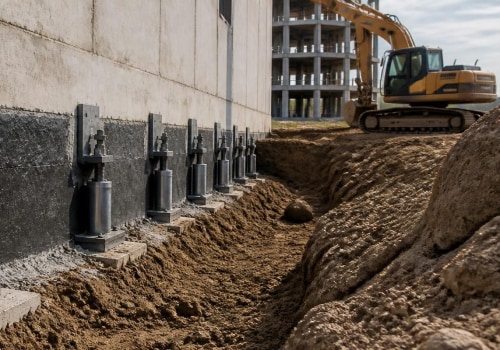
- Site Preparation: Clearing the land, grading, and ensuring proper drainage are crucial first steps.
- Foundation Work: Pouring concrete and setting up the foundation forms the backbone of the structure.
- Framing: Erecting walls, floors, and roofs gives shape to the building.
- Mechanical, Electrical, and Plumbing (MEP): Installing essential systems ensures functionality.
- Interior Finishing: This includes drywall installation, painting, flooring, and other aesthetic elements.
- Final Inspections: Ensuring compliance with local codes and regulations before occupancy.
Quality Control and Safety Measures
In the realm of commercial building construction, maintaining high standards of quality and safety is paramount. Effective quality control ensures that every aspect of the construction process meets the required specifications and standards, ultimately leading to a successful project outcome.Quality Control Measures
- Material Inspection: Before any materials are used, they must be thoroughly inspected for quality and compliance with project specifications.
This includes checking for certifications and conducting tests as necessary.
- Workmanship Standards: Regular assessments of the workmanship are crucial. Skilled supervisors should monitor the work being done to ensure it aligns with industry standards and project requirements.
- Documentation: Keeping detailed records of inspections, tests, and compliance checks is essential. This documentation serves as proof of adherence to quality standards and can be invaluable during audits.
Safety Measures
Safety on a construction site is not just a regulatory requirement; it is a moral obligation. Implementing robust safety measures protects workers and minimizes risks associated with construction activities.
- Safety Training: All personnel should undergo comprehensive safety training before commencing work on-site.
This training should cover emergency procedures, equipment handling, and hazard recognition.
- Personal Protective Equipment (PPE): Ensuring that all workers are equipped with appropriate PPE, such as helmets, gloves, and safety goggles, is critical in preventing injuries.
- Regular Safety Inspections: Conducting frequent safety inspections helps identify potential hazards before they lead to accidents. These inspections should be documented and addressed promptly.
Compliance with Standards
Adhering to local, state, and federal regulations is non-negotiable in commercial building construction. Compliance not only ensures legal operation but also enhances the overall safety and quality of the project. Engaging with regulatory bodies during the planning phase can help clarify requirements and streamline the approval process.In conclusion, integrating rigorous quality control practices alongside comprehensive safety measures is essential for successful commercial building construction.
By prioritizing these elements, construction teams can deliver projects that meet both quality expectations and safety standards.
Post-Construction Activities
Once the construction phase of a commercial building construction project is complete, the focus shifts to crucial post-construction activities. These activities are vital for ensuring that the building meets all regulatory requirements and is ready for occupancy.Final Inspections
The first step in the post-construction phase is conducting final inspections. These inspections are typically carried out by local building authorities to verify that the construction complies with all applicable codes and regulations. Inspectors will assess various aspects of the building, including:- Structural integrity
- Electrical systems
- Plumbing and HVAC systems
- Fire safety measures
- Accessibility features
Obtaining Occupancy Permits
After successful final inspections, the next step is to obtain an occupancy permit.This permit signifies that the building is safe for use and complies with all local regulations. The process for obtaining an occupancy permit may vary by jurisdiction but generally involves submitting documentation that includes:
- Inspection reports
- Certificates of compliance from contractors
- Proof of utility connections
Project Handover
The final stage in post-construction activities is the project handover. This process involves transferring ownership from the contractor to the client. During this phase, all relevant documentation, including warranties, maintenance manuals, and as-built drawings, are provided to the owner.A thorough walkthrough of the property may also be conducted to ensure that everything meets expectations.In conclusion, effective management of post-construction activities such as final inspections, obtaining occupancy permits, and project handover is essential for a successful transition from construction to operation in any commercial building construction project.
FAQs About Commercial Building Construction Process
When embarking on a commercial building construction project, many stakeholders have questions about the process. Here are some of the most frequently asked questions:What is the typical timeline for a commercial building construction project?
The timeline for commercial building construction can vary significantly based on several factors, including the size and complexity of the project, local regulations, and weather conditions. Generally, a small to medium-sized commercial building may take anywhere from 6 months to 2 years to complete. Larger projects can extend beyond this timeframe.It's essential to work closely with your contractor to establish a realistic timeline.
What are the key phases in the construction process?
- Pre-Construction: This phase includes planning, budgeting, and obtaining necessary permits.
- Site Preparation: Clearing the land, grading, and setting up utilities.
- Foundation Work: Laying the foundation is crucial for structural integrity.
- Framing: The skeleton of the building is constructed during this phase.
- Systems Installation: Electrical, plumbing, and HVAC systems are installed.
- Finishing Touches: Interior and exterior finishes are applied to complete the building.
What permits are required for commercial building construction?
The permits required can vary by location but typically include:- Zoning permits
- Building permits
- Environmental permits
- Health and safety permits
How can I ensure my project stays on budget?
To keep your commercial building construction project within budget, consider the following tips:- Create a detailed budget that includes all potential costs.
- Work with experienced contractors who can provide accurate estimates.
- Regularly review expenses against your budget throughout the project.
- Avoid making significant changes once construction has begun, as this can lead to increased costs.
Conclusion: Key Takeaways from the Construction Process
In summary, the commercial building construction process is a multifaceted journey that requires careful planning, execution, and management. Understanding the key steps involved can significantly enhance the likelihood of a successful project outcome. Here are the essential takeaways:- Pre-Construction Planning: This initial phase sets the foundation for the entire project. It involves site selection, feasibility studies, and obtaining necessary permits.
Engaging stakeholders early ensures that all requirements are met.
- Design Development: Collaborating with architects and engineers to create detailed blueprints is crucial. This stage not only defines the aesthetic aspects but also addresses structural integrity and compliance with local regulations.
- Budgeting and Financing: Establishing a realistic budget and securing financing are vital steps. A well-prepared financial plan helps in managing costs throughout the construction process.
- Construction Phase: This is where the actual building takes place. Effective project management during this phase ensures that timelines are adhered to, quality standards are met, and safety protocols are followed.
- Post-Construction Evaluation: Once the building is completed, conducting a thorough inspection and obtaining occupancy permits are necessary.
This phase also includes addressing any punch list items to ensure everything meets the agreed-upon specifications.