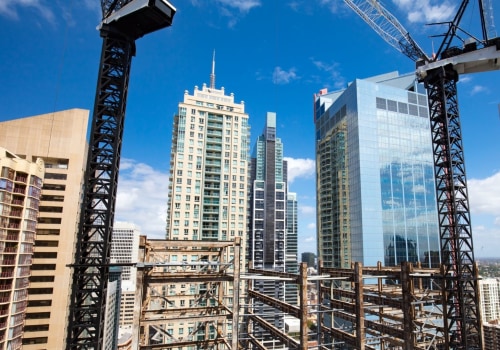
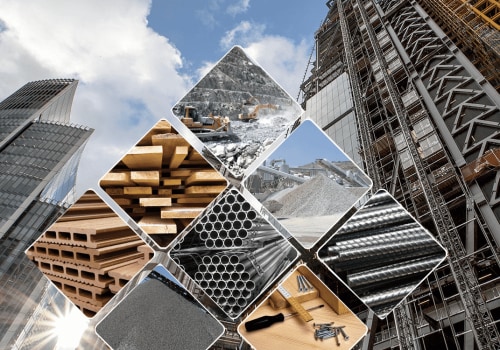
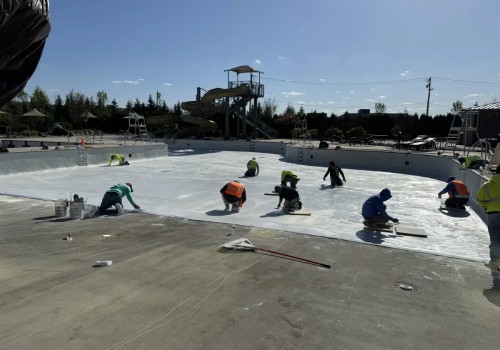
The landscape of commercial building construction has undergone a remarkable transformation over the past few decades, driven largely by advancements in technology. From the early days of manual drafting and basic machinery to today’s sophisticated software and automated processes, the evolution of technology has significantly reshaped how commercial projects are conceived, designed, and executed. This shift not only enhances efficiency but also improves safety, sustainability, and overall project outcomes. One of the most notable impacts of technology on construction is the introduction of construction innovation tools such as Building Information Modeling (BIM). BIM allows architects and engineers to create detailed 3D models that facilitate better collaboration among stakeholders.
This technology minimizes errors and miscommunications, leading to smoother workflows and reduced costs. Furthermore, the integration of drones and robotics in site surveying and material handling has revolutionized traditional practices, enabling faster project completion while maintaining high standards of quality. As we delve deeper into the significance of commercial building construction technology, it becomes clear that these innovations are not merely trends but essential components for staying competitive in a rapidly evolving industry. The ability to leverage data analytics for project management and predictive maintenance is transforming how companies approach their operations. By embracing these technological advancements, construction firms can not only enhance their productivity but also contribute to a more sustainable future in commercial building practices.
Key Technologies Revolutionizing Commercial Building Construction
The landscape of commercial building construction is undergoing a significant transformation, driven by the integration of advanced technologies.Among these, Building Information Modeling (BIM) stands out as a game-changer. BIM allows architects, engineers, and contractors to create a digital representation of a building, facilitating better collaboration and communication throughout the project lifecycle. This technology not only enhances design accuracy but also helps in identifying potential issues before they arise, ultimately reducing costly delays and rework.Another innovative approach gaining traction in commercial building construction is prefabrication. This method involves assembling building components off-site in a controlled environment, which can significantly streamline the construction process.
By manufacturing elements such as walls, floors, and roofs in advance, projects can benefit from improved quality control and reduced on-site labor costs. Additionally, prefabrication minimizes waste and shortens construction timelines, allowing for faster project delivery.
Modular construction
, closely related to prefabrication, takes this concept further by creating entire sections of a building in a factory setting. These modules are then transported to the construction site for assembly. This technique not only accelerates the building process but also enhances sustainability by optimizing material usage and reducing the carbon footprint associated with traditional construction methods.In summary, the adoption of technologies such as BIM, prefabrication, and modular construction is revolutionizing commercial building construction.These advancements lead to greater efficiency, cost savings, and improved project outcomes, making them essential tools for modern builders aiming to meet the demands of an evolving industry.
The Role of Drones and Robotics in Construction
The integration of drones and robotics in commercial building construction has revolutionized the industry, enhancing both safety and productivity. Drones, equipped with high-resolution cameras and sensors, are increasingly used for site surveying and monitoring. This technology allows construction managers to gather real-time data about the site, enabling them to make informed decisions quickly.Benefits of Drones in Construction:
- Site Surveying: Drones can cover large areas in a fraction of the time it would take traditional surveying methods. They provide accurate topographical maps and 3D models, which are essential for planning and design.
- Progress Monitoring: Regular aerial inspections help track the progress of construction projects, ensuring that timelines are met and resources are allocated efficiently.
- Safety Enhancements: By using drones for inspections, workers can avoid hazardous areas, reducing the risk of accidents on-site.
From bricklaying to demolition, robots are designed to perform repetitive tasks with precision and speed.
Advantages of Robotics in Construction:
- Increased Efficiency: Robots can work continuously without fatigue, significantly speeding up construction processes.
- Improved Quality: Automation reduces human error, leading to higher quality workmanship in tasks such as bricklaying.
- Enhanced Safety: Robotics can take over dangerous tasks like demolition or working at heights, minimizing the risk to human workers.
Sustainability and Green Building Technologies
The integration of technology in commercial building construction has significantly advanced the field of sustainability, leading to the development of sustainable construction technology that prioritizes environmental stewardship. By leveraging innovative materials and systems, builders can create structures that not only meet the needs of occupants but also minimize their ecological footprint.One of the most impactful advancements is the use of energy-efficient buildings. These structures are designed with advanced insulation, energy-efficient windows, and smart HVAC systems that optimize energy consumption.For instance, technologies such as Building Information Modeling (BIM) allow architects and engineers to simulate energy performance during the design phase, ensuring that energy efficiency is a core component from the outset.Moreover, the adoption of green building practices has become more prevalent due to technological innovations. These practices include:
- Renewable Energy Integration: Solar panels and wind turbines can be seamlessly integrated into building designs, providing clean energy sources that reduce reliance on fossil fuels.
- Water Conservation Technologies: Smart irrigation systems and rainwater harvesting solutions help in reducing water usage, making buildings more sustainable.
- Recycled and Sustainable Materials: The use of recycled steel, bamboo, and other sustainable materials minimizes waste and promotes a circular economy in construction.
By embracing these innovations, the industry can move towards a more environmentally responsible future while still meeting the demands of modern architecture and design.
The Impact of Project Management Software on Construction Efficiency
The integration of project management software in commercial building construction has revolutionized the way construction teams operate, leading to significant improvements in efficiency. By streamlining communication and enhancing collaboration among stakeholders, these tools play a crucial role in the successful execution of construction projects.One of the primary benefits of using construction project management software is its ability to facilitate real-time communication. Teams can share updates, documents, and feedback instantly, reducing the chances of miscommunication that can lead to costly delays. This immediate access to information ensures that all parties are on the same page, which is essential for maintaining project timelines.Additionally, project management software offers advanced scheduling features that allow for better planning and resource allocation.With tools that enable users to create detailed timelines and assign tasks, project managers can optimize workflows and ensure that resources are utilized effectively. This not only helps in meeting deadlines but also minimizes waste and reduces overall project costs.Moreover, many of these platforms include collaboration tools for builders, such as shared calendars and task lists, which enhance teamwork. By providing a centralized location for all project-related information, team members can easily track progress and address issues as they arise. This collaborative environment fosters a sense of accountability and encourages proactive problem-solving.In conclusion, the adoption of project management software in commercial building construction significantly enhances efficiency by improving communication, optimizing scheduling, and facilitating collaboration among all stakeholders.
As technology continues to evolve, leveraging these tools will be essential for construction teams aiming to stay competitive in an increasingly complex industry.
Challenges and Limitations of Technology in Construction
The integration of technology in commercial building construction has revolutionized the industry, yet it is not without its challenges and limitations. Understanding these obstacles is crucial for stakeholders aiming to leverage technology effectively.Cost Implications
One of the primary challenges is the high initial costs associated with adopting new technologies. Advanced tools such as Building Information Modeling (BIM), drones, and automated machinery require significant investment. For many construction firms, especially smaller ones, these costs can be prohibitive, leading to a reluctance to adopt innovative solutions.Training and Skill Gaps
Another significant limitation is the need for extensive training.As technology evolves, so too must the skill sets of the workforce. Many employees may lack the necessary expertise to operate new systems effectively, resulting in a steep learning curve. This can lead to delays in project timelines and increased labor costs as companies invest in training programs.
Resistance to Change
Resistance to change is a common issue within the construction industry. Many professionals are accustomed to traditional methods and may be hesitant to embrace new technologies.This cultural inertia can hinder the implementation of innovative solutions, ultimately affecting productivity and efficiency.
Risk Management
The adoption of technology also introduces new risks. Cybersecurity threats are a growing concern as more construction processes become digitized. Data breaches can compromise sensitive project information, leading to financial losses and reputational damage. Additionally, reliance on technology can create vulnerabilities; for instance, if a critical system fails, it could halt operations entirely.In conclusion, while technology offers numerous benefits for commercial building construction, it is essential for industry players to navigate these challenges carefully.By addressing cost concerns, investing in training, overcoming resistance to change, and managing risks effectively, companies can harness the full potential of technological advancements in their projects.
Future Trends: The Next Generation of Construction Technology
The future of commercial building construction is poised for a significant transformation driven by technological advancements. As we look ahead, several key trends are emerging that promise to reshape the industry.AI Integration
Artificial Intelligence (AI) is set to revolutionize the way construction projects are planned and executed. By leveraging AI algorithms, construction firms can analyze vast amounts of data to optimize project timelines, reduce costs, and enhance safety measures. Predictive analytics will allow for better risk management, enabling teams to foresee potential challenges and address them proactively.Smart Buildings
The concept of smart buildings is gaining traction, where technology is integrated into the very fabric of the structure.These buildings utilize IoT (Internet of Things) devices to monitor and manage systems such as lighting, heating, and security in real-time. This not only improves energy efficiency but also enhances occupant comfort and safety. As more businesses prioritize sustainability, smart buildings will become a standard in commercial building construction.
Advanced Materials
Innovations in materials science are also paving the way for the next generation of construction. The development of advanced materials, such as self-healing concrete and carbon fiber composites, promises to increase durability while reducing maintenance costs.These materials can withstand environmental stressors better than traditional options, leading to longer-lasting structures.
Sustainable Practices
As environmental concerns continue to rise, the integration of sustainable practices in commercial building construction will be paramount. Technologies that facilitate recycling and waste reduction during the construction process will become more prevalent. Additionally, renewable energy sources like solar panels will be increasingly incorporated into building designs, further promoting sustainability.In conclusion, the future of commercial building construction is bright with the promise of AI integration, smart technologies, advanced materials, and sustainable practices. These innovations not only enhance efficiency but also contribute to a more sustainable and resilient built environment.FAQs about Technology in Commercial Building Construction
As technology continues to evolve, many questions arise regarding its impact on commercial building construction.Here are some frequently asked questions that shed light on this important topic:
- What types of technology are commonly used in commercial building construction?
In the realm of commercial building construction, technologies such as Building Information Modeling (BIM), drones, and 3D printing are becoming increasingly prevalent. BIM allows for detailed digital representations of buildings, enhancing collaboration among stakeholders. Drones are utilized for site surveys and inspections, while 3D printing can streamline the creation of building components. - How does technology improve project efficiency?
Technology enhances efficiency by automating repetitive tasks, improving communication among teams, and providing real-time data analysis. For instance, project management software can track progress and budgets, ensuring that projects stay on schedule and within financial constraints. - What are the safety benefits of using technology in construction?
Safety is a top priority in commercial building construction.Technologies such as wearable devices and augmented reality (AR) can monitor worker health and safety conditions on-site. These tools help identify potential hazards before they lead to accidents, thereby fostering a safer work environment.
- Can technology reduce costs in commercial construction?
Yes, implementing advanced technologies can lead to significant cost savings. By optimizing resource allocation and minimizing waste through precise planning and execution, companies can reduce overall project expenses. Additionally, predictive analytics can help anticipate issues before they arise, further mitigating costs.
Conclusion: Embracing Technology for a Better Future in Construction
In conclusion, the integration of technology in commercial building construction is not just a trend; it is a necessity for the future of the industry.As we have explored, various technological advancements such as Building Information Modeling (BIM), drones, and sustainable materials are revolutionizing how projects are planned, executed, and managed.
Key Takeaways:
- Efficiency: Technology streamlines processes, reduces waste, and enhances communication among stakeholders, leading to faster project completion.
- Sustainability: The use of innovative materials and energy-efficient designs contributes to environmentally friendly practices that are increasingly demanded by clients and regulatory bodies.
- Safety: Advanced tools and equipment improve safety on construction sites, minimizing risks for workers and ensuring compliance with safety regulations.
- Cost-Effectiveness: By optimizing resource allocation and reducing errors through precise planning and execution, technology helps in controlling costs effectively.