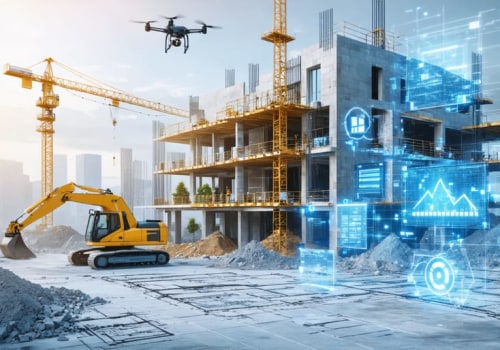
Commercial building projects involve far more complexity than many residential construction jobs. Office buildings, retail centers, warehouses, healthcare facilities, educational institutions, and mixed-use developments must safely accommodate large numbers of occupants while meeting strict building codes, operational requirements, and long-term performance expectations. Every aspect of these projects, from the foundation to the roof system, must work together as a unified structural system capable of supporting daily use and environmental forces. Structural engineers play a central role throughout this process by ensuring that every component is designed to perform safely, efficiently, and reliably. Their expertise provides the framework that allows architects, contractors, and developers to transform ambitious concepts into durable commercial buildings that stand the test of time.
Coordinating Multiple Design Disciplines
Commercial construction requires close collaboration among architects, civil engineers, mechanical engineers, electrical designers, plumbing specialists, contractors, and project managers. Each discipline contributes critical systems that must fit within the overall building design without creating conflicts or compromising structural integrity. Structural engineers coordinate closely with these teams to ensure that beams, columns, floor systems, and load-bearing walls support not only the building itself but also mechanical equipment, utility systems, and architectural features. Early collaboration helps prevent design conflicts that could otherwise delay construction or require costly revisions. This coordinated approach allows every element of the project to function together while maintaining compliance with safety regulations and performance standards.
Managing Complex Structural Demands
Commercial buildings often experience significantly greater structural demands than residential properties. Large open floor plans, long-span roof systems, heavy rooftop equipment, parking structures, elevators, and specialized industrial machinery all create unique loading conditions that require careful analysis. Structural engineers evaluate these demands using detailed calculations that account for dead loads, live loads, wind forces, seismic activity, snow accumulation where applicable, and other environmental factors. They also determine the most efficient structural systems to safely distribute these forces throughout the building. Organizations such as Open Concept Engineering demonstrate the value of combining technical expertise with practical project coordination to develop structural solutions that support both architectural goals and long-term building performance.
Reducing Risk During Construction
Construction projects inevitably encounter challenges, particularly on large commercial developments where multiple contractors work simultaneously. Structural engineers provide valuable oversight during construction by reviewing shop drawings, responding to field conditions, evaluating requested design changes, and verifying that structural components are installed according to approved plans. Their involvement helps identify potential issues before they affect the project's safety or schedule. If unexpected site conditions arise, such as poor soil, hidden underground utilities, or unforeseen structural conflicts, engineers can develop appropriate solutions that keep construction moving while maintaining the building's structural integrity. This proactive problem-solving minimizes delays, reduces costly rework, and supports more efficient project completion.
Supporting Long-Term Building Performance
The responsibilities of structural engineers extend well beyond construction. Commercial buildings are expected to serve businesses, employees, customers, and the public for decades while adapting to changing operational needs. Structural engineers design systems that accommodate future renovations, equipment upgrades, occupancy changes, and evolving building requirements whenever possible. They also consider durability, material performance, maintenance accessibility, and resistance to environmental conditions that may affect the building throughout its lifespan. This long-term perspective helps reduce maintenance costs, improve occupant safety, and preserve the value of the property for owners and investors alike.
Creating Safe, Efficient, and Reliable Commercial Buildings
Complex commercial building projects succeed when every component is carefully planned and integrated from the earliest stages of design through final construction. Structural engineers provide the technical foundation that supports architectural creativity, construction efficiency, and long-term operational reliability. Their ability to evaluate loads, coordinate with multidisciplinary teams, solve construction challenges, and anticipate future building needs makes them an essential part of every successful commercial development. By incorporating structural expertise throughout the project lifecycle, developers can create buildings that are not only visually impressive but also safe, resilient, and capable of serving their intended purpose for generations. Thoughtful structural planning ultimately contributes to stronger investments, smoother construction processes, and commercial spaces built to perform with confidence well into the future.