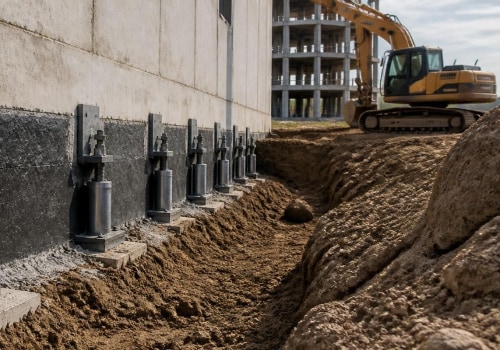
Commercial construction projects involve numerous moving parts, making effective planning and scheduling essential for successful completion. Contractors must coordinate architectural designs, engineering requirements, material deliveries, labor availability, and regulatory approvals. Poor scheduling can create delays that affect multiple phases of construction and increase overall expenses. Experienced professionals address these challenges by developing detailed project timelines, establishing realistic milestones, and maintaining consistent communication among stakeholders. Construction management software can also help teams monitor progress, identify scheduling conflicts, and make necessary adjustments. Proactive planning ensures that different construction activities remain coordinated while reducing unnecessary disruptions throughout the project.
Controlling Construction Costs and Budget Overruns
Budget management is one of the most significant challenges in commercial construction. Unexpected material price increases, labor shortages, design modifications, and unforeseen site conditions can quickly affect project expenses. Without proper financial oversight, these complications may result in substantial cost overruns. Construction professionals address financial challenges by preparing comprehensive estimates, monitoring expenditures, and establishing contingency allowances. Working with experienced contractors, such as GGNC Construction Services, can help property owners navigate project requirements while maintaining attention to budgeting and construction efficiency. Regular financial reviews and transparent communication allow stakeholders to make informed decisions before minor financial concerns become major problems.
Addressing Labor Shortages and Workforce Coordination
Commercial construction requires skilled workers from multiple trades, including electricians, plumbers, carpenters, concrete specialists, and equipment operators. Labor shortages or scheduling conflicts can delay critical construction activities and reduce productivity. Project managers address these challenges by developing workforce schedules, coordinating subcontractors, and maintaining relationships with qualified trade professionals. Providing clear instructions and establishing realistic deadlines also helps improve efficiency. Additionally, consistent safety training and proper supervision support productive working environments. Effective workforce management ensures that specialized tasks are completed in the appropriate sequence without compromising workmanship or construction quality.
Navigating Building Regulations and Safety Requirements
Commercial buildings must comply with applicable building codes, zoning regulations, accessibility standards, and workplace safety requirements. Failure to follow these regulations can lead to inspection failures, project delays, and expensive corrective measures. Construction professionals reduce compliance risks by reviewing regulatory requirements during the planning phase and obtaining necessary permits before work begins. Architects, engineers, and contractors collaborate to ensure construction methods and materials meet approved specifications. Routine safety inspections, employee training, and documented procedures further help minimize workplace hazards. Maintaining compliance protects construction workers, building occupants, and property owners while supporting successful project completion.
Handling Material Delays and Supply Chain Disruptions
Material procurement presents another common challenge in commercial construction. Delayed shipments, limited product availability, and changing supplier schedules can interrupt project progress. Professionals minimize these risks by ordering essential materials early, identifying alternative suppliers, and maintaining accurate inventory records. Flexible scheduling also allows construction teams to adjust certain activities when materials become temporarily unavailable. Effective communication between suppliers and project managers helps reduce uncertainty and supports more reliable construction timelines.
Managing Unexpected Site Conditions
Commercial construction sites may contain hidden obstacles, including unstable soil, underground utilities, drainage problems, or previously unidentified structural concerns. These conditions can require additional engineering assessments and modifications to the original construction plan. Thorough site investigations and early technical evaluations help professionals identify potential risks before major construction activities begin.
Achieving Successful Commercial Construction Outcomes
Overcoming commercial construction challenges requires strong leadership, technical expertise, and consistent collaboration. By prioritizing accurate planning, responsible budgeting, regulatory compliance, and proactive problem-solving, construction professionals can minimize disruptions and maintain project quality. Effective coordination ultimately helps deliver commercial buildings that meet operational requirements, support long-term functionality, and provide lasting value for property owners.